Stormy Days…
Help for the “Bad” Chemo Days
-
On the worst days of chemo, management of side effects is paramount. In the first section below, you will find tips and strategies for managing the more common side effects of chemotherapy.
-
On the worst days, it is vital that you meet your basic needs: shower, dressing, oral hygiene, hydration, food intake. The second section below provides strategies to help you complete self care.
-
The end of this section offers practical advice and emotional support for those challenging days after an infusion.
If you are having SEVERE SHORTNESS OF BREATH AT REST, call for emergency help right now.
#1 SIDE EFFECTS
When the side effects of chemotherapy impact your entire day, addressing them is PARAMOUNT.
Common Side Effects
CLICK ON THE LINKS BELOW FOR DETAILS ON EACH SIDE EFFECT
Nausea
Diarrhea
Fatigue
Peripheral
Neuropathy
Hair Loss
Oral Health
Chemo Brain
SHOULD YOU CALL YOUR ONCOLOGIST’S OFFICE?
Are you experiencing significant side effects from chemotherapy that are affecting your every day life?
Are you unsure if your side effects are “bad enough” or “normal”?
CALL YOUR PROVIDER:
DO NOT HESITATE to reach out to your oncology office if you have any questions, concerns, and/or are struggling with severe side effects.
They are there to HELP you and guide you on how to proceed.
CHECK-IN:
HAVE YOU TAKEN YOUR MEDICATIONS AS DIRECTED?

Make note of when and what meds you took. Get help if you need it.
If you call your provider because you are struggling with a side effect, they will likely inquire as to what medications you recently took, what time you last took the medication, and the dosage.
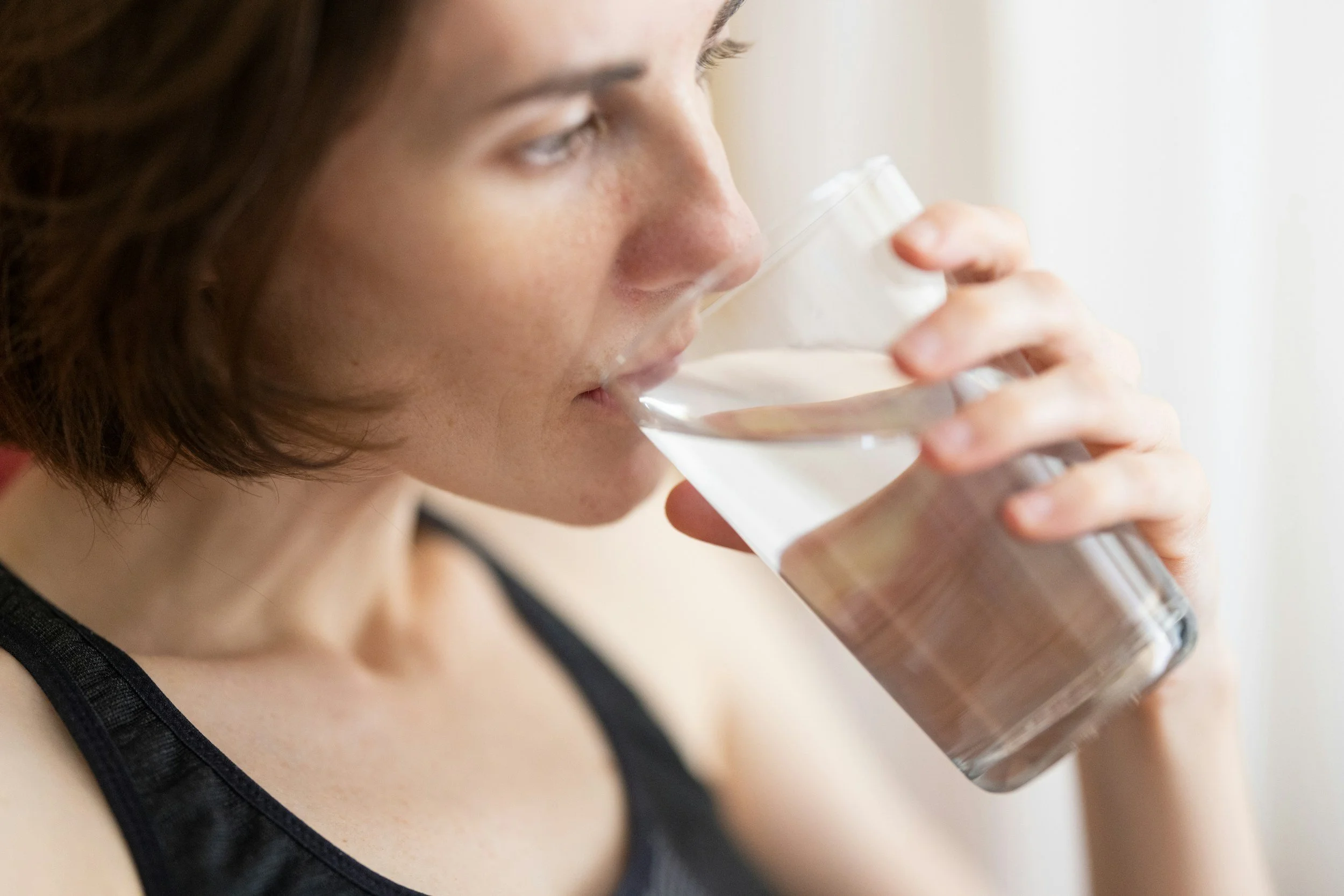
SWALLOWING PILLS PROPERLY*
SIT UPRIGHT
PLACE PILL ON TONGUE
TAKE SIP OF WATER
TUCK CHIN TOWARDS CHEST
*Talk to your doctor and/or pharmacist if you are having trouble swallowing pills.
Track Your Side Effects
Tracking your side effects can be helpful. You will have a concrete record of the severity of the side effects. Plus, you may be able to spot trends. Are things getting better or worse?
It can also be a helpful for future infusions, knowing how you respond to the chemotherapy and what side effects tend to appear in between cycles.
The link below is a helpful side effect tracker from the American Cancer Society.
#2 Activities of Daily Living
ON ROUGH DAYS, THE FOCUS SHIFTS TO MEETING YOUR BASIC NEEDS:
toilet
shower
brush teeth
get dressed
eat
hydrate



First thing’s first: if you cannot stand on your own to complete basic self care or have recently fallen, call your oncology office.
Whether it is from debilitating fatigue, muscle pain that interferes with self care, or severe numbness, you may need medical attention.

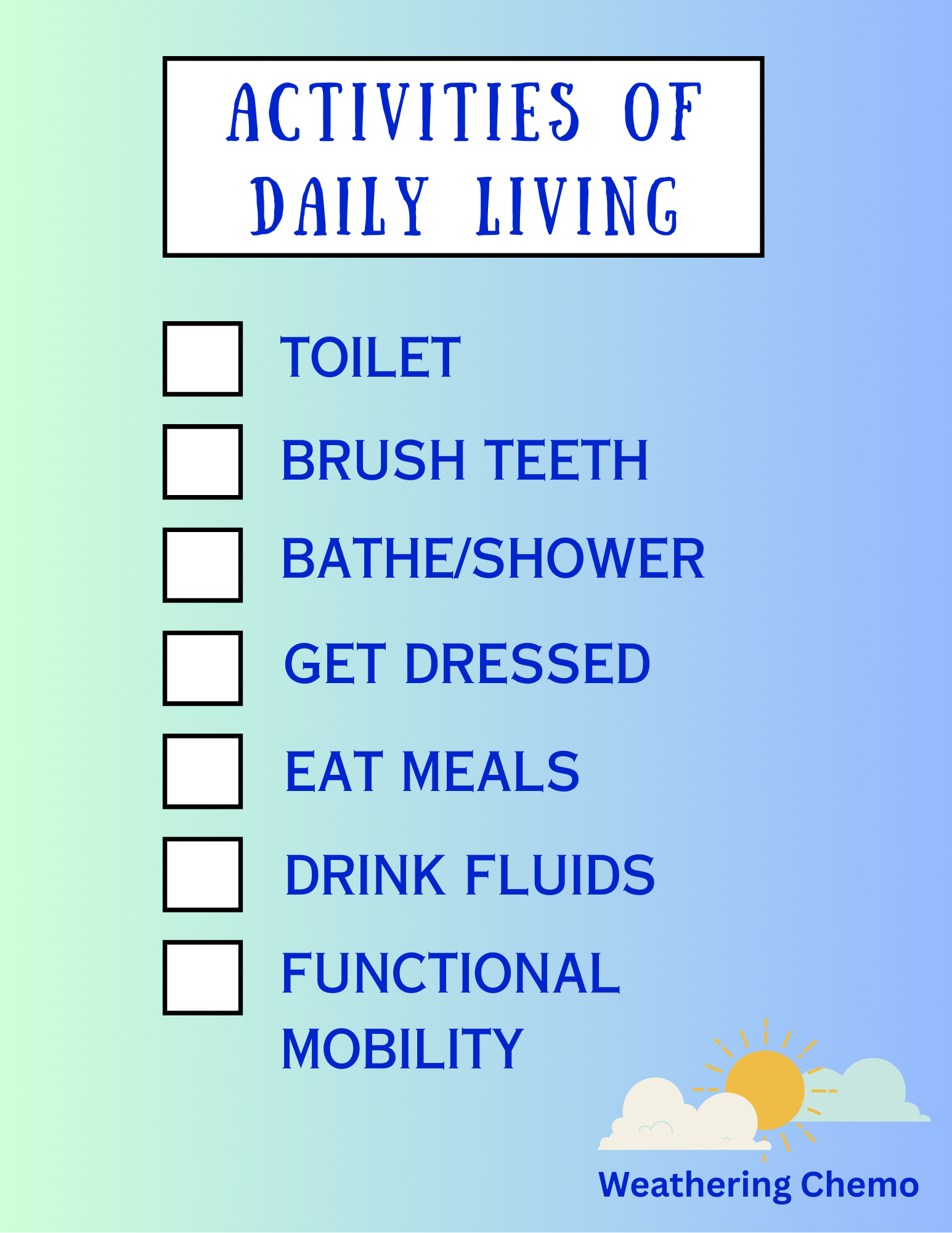
Back to the Basics Checklist
Use this checklist as a gentle reminder that you are getting your basic needs met.
You may feel better for it.
Showering/Bathing/ Sponge Bath:
SAFETY IS PARAMOUNT.
Keeping our bodies clean is necessary for our physical health, as well as our emotional wellbeing.
We just feel better after freshening up.
Unfortunately, on the worst days following chemotherapy, showering can feel like an insurmountable task. And it is understandable as you may be weak from diarrhea, being in bed for extended periods of time, or from chemo-induced fatigue (or likely a combination of issues).
So how can you stay clean if you are feeling weak and tired and terrible from chemo?
The following pages may help…
Safety during ADLs
FALL PREVENTION:
Go slow. Rushing can lead to falls.
Non-slip strips or mats in shower.
Good lighting.
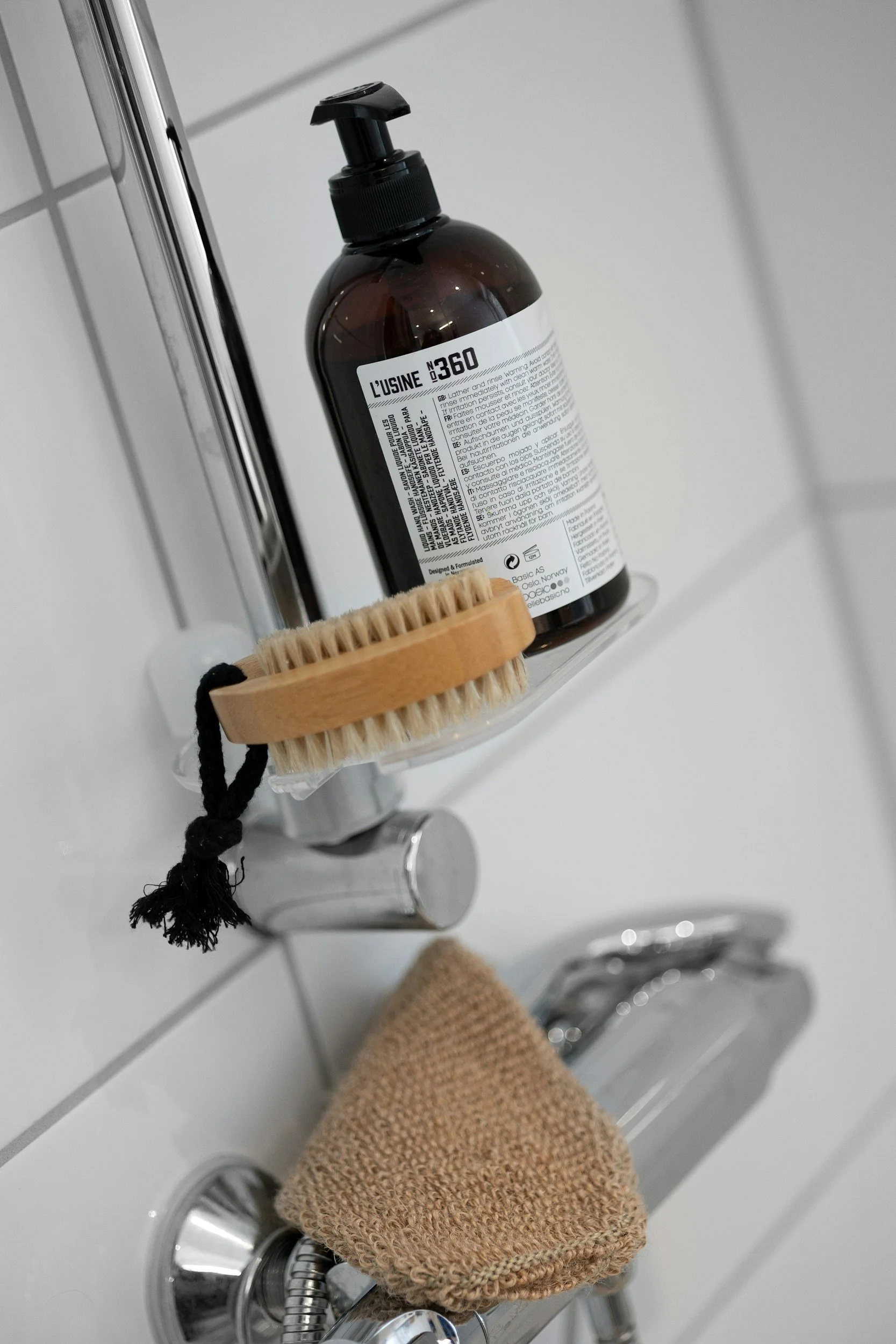
Keep all shower items within easy reach: toiletries accessible without bending or reaching.
2. ENERGY CONSERVATION:
Baths are nice, but recognize how hard it can be to get up out of a tub, especially if you are already weak.
Showering may be a safer alternative. Consider a shower chair, as a temporary strategy to enjoy the shower while seated.
Sit on toilet to dry off or use a terry cloth robe.

3. USE SUPPORTS.
Is there someone who can help you get in and out of the shower safely?
Are there secure grab bars? Can you sit on the toilet to undress?
Would you benefit from a shower chair?
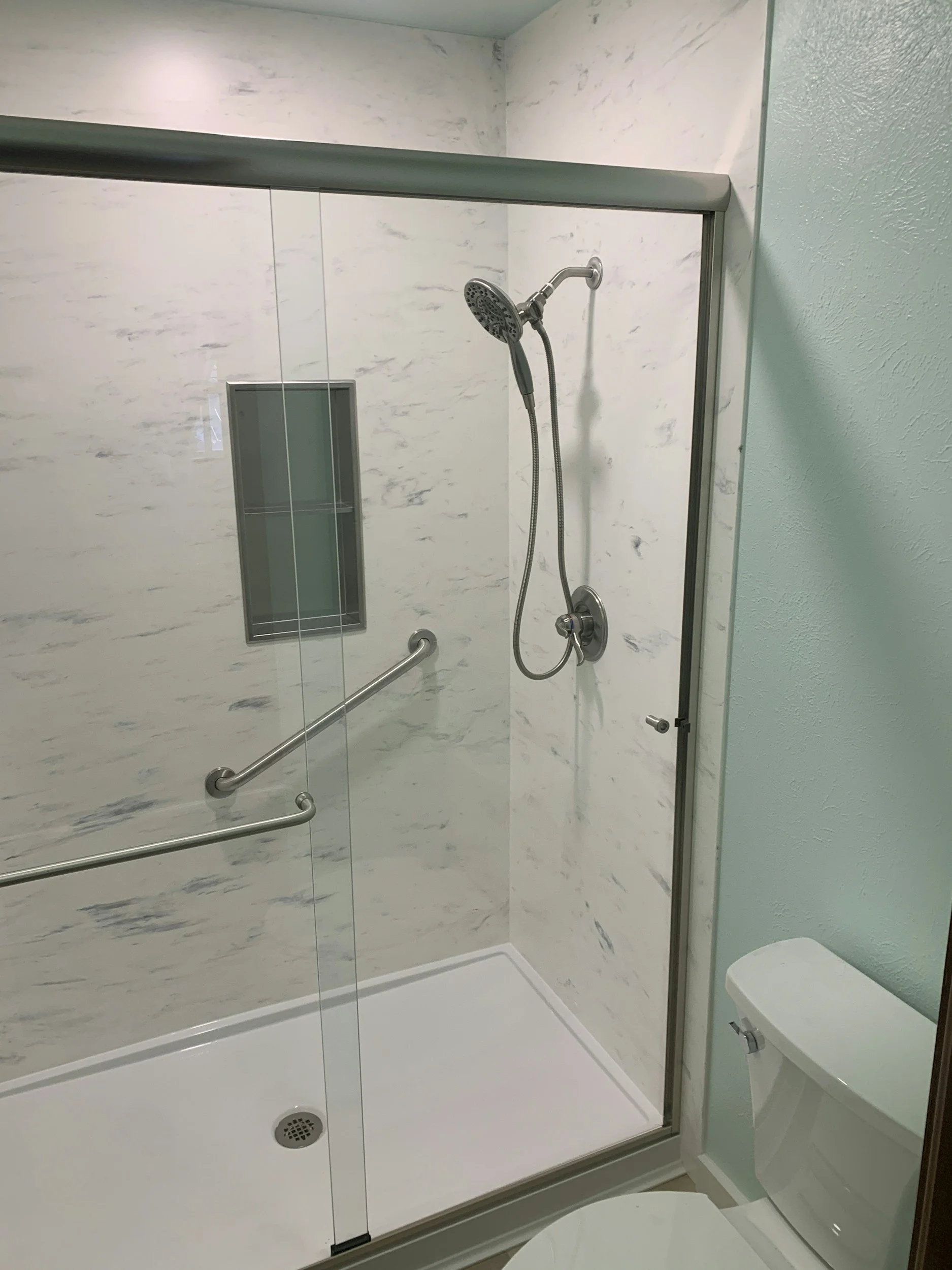
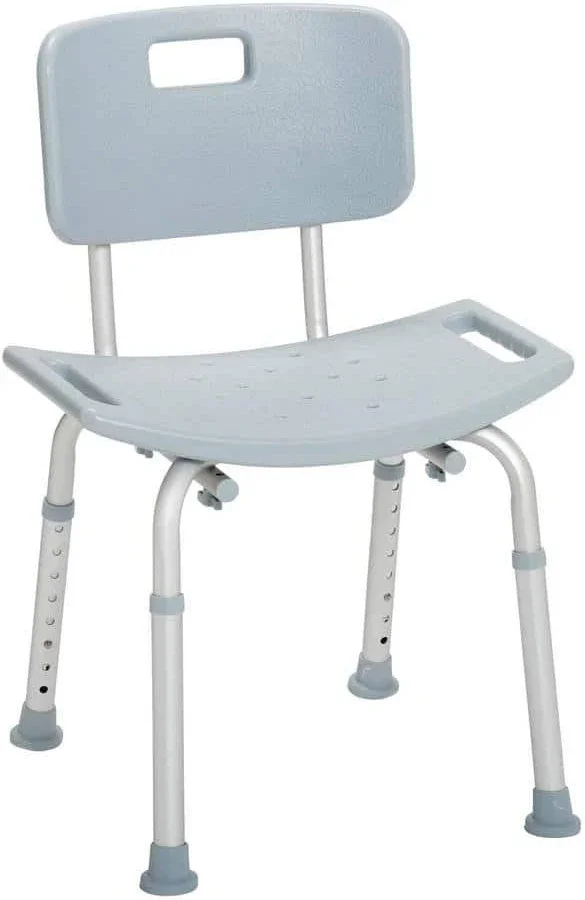
Shower chairs can help make showering SO much easier. You can sit and use a handheld shower and the experience can be so much more accessible and enjoyable, not to mention safer.
There are organizations in some communities that loan medical equipment. Check also Goodwill or other second hand stores.
IF A SHOWER IS TOO MUCH RIGHT NOW…
HOW TO DO A SPONGE BATH:
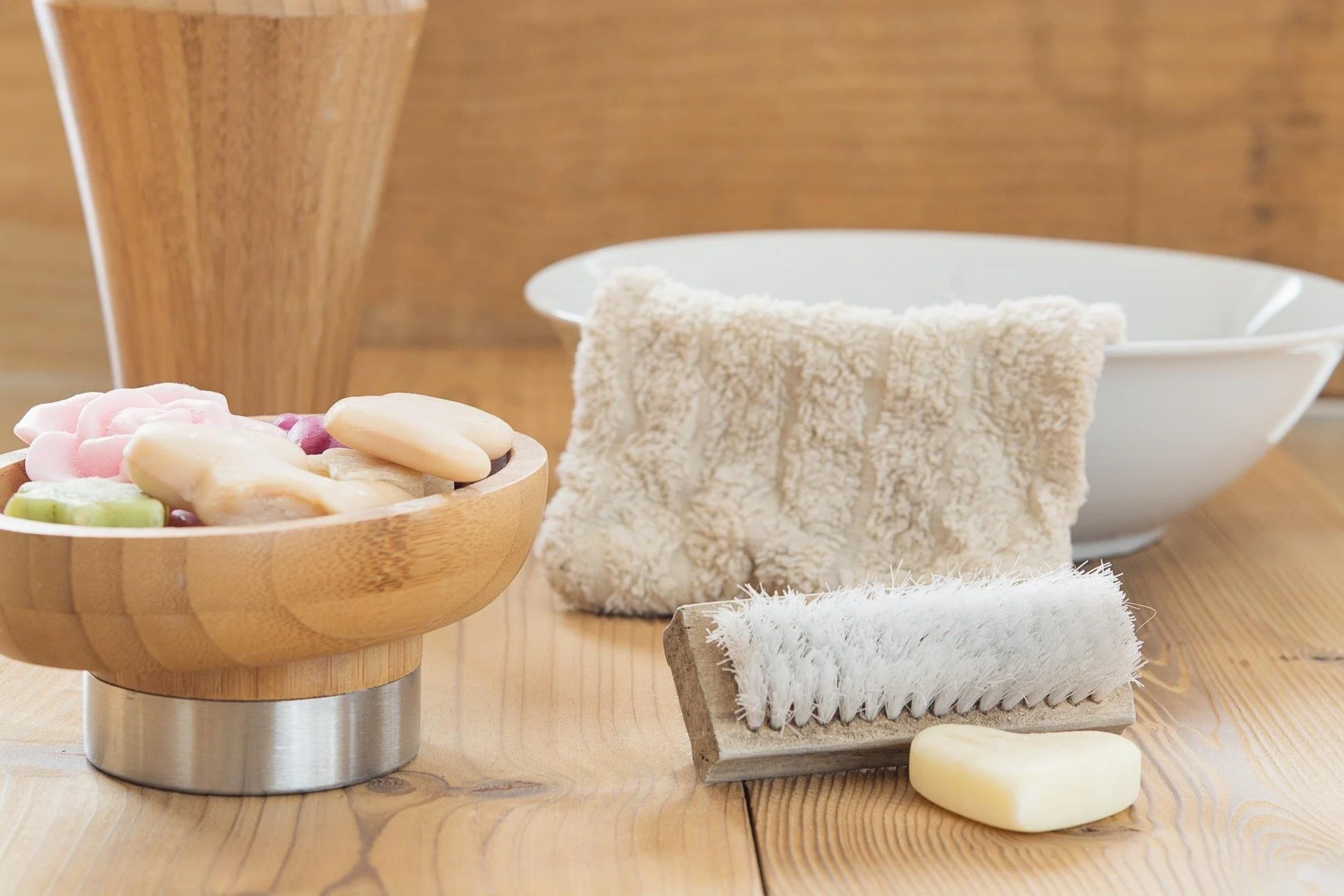
Gather Supplies:
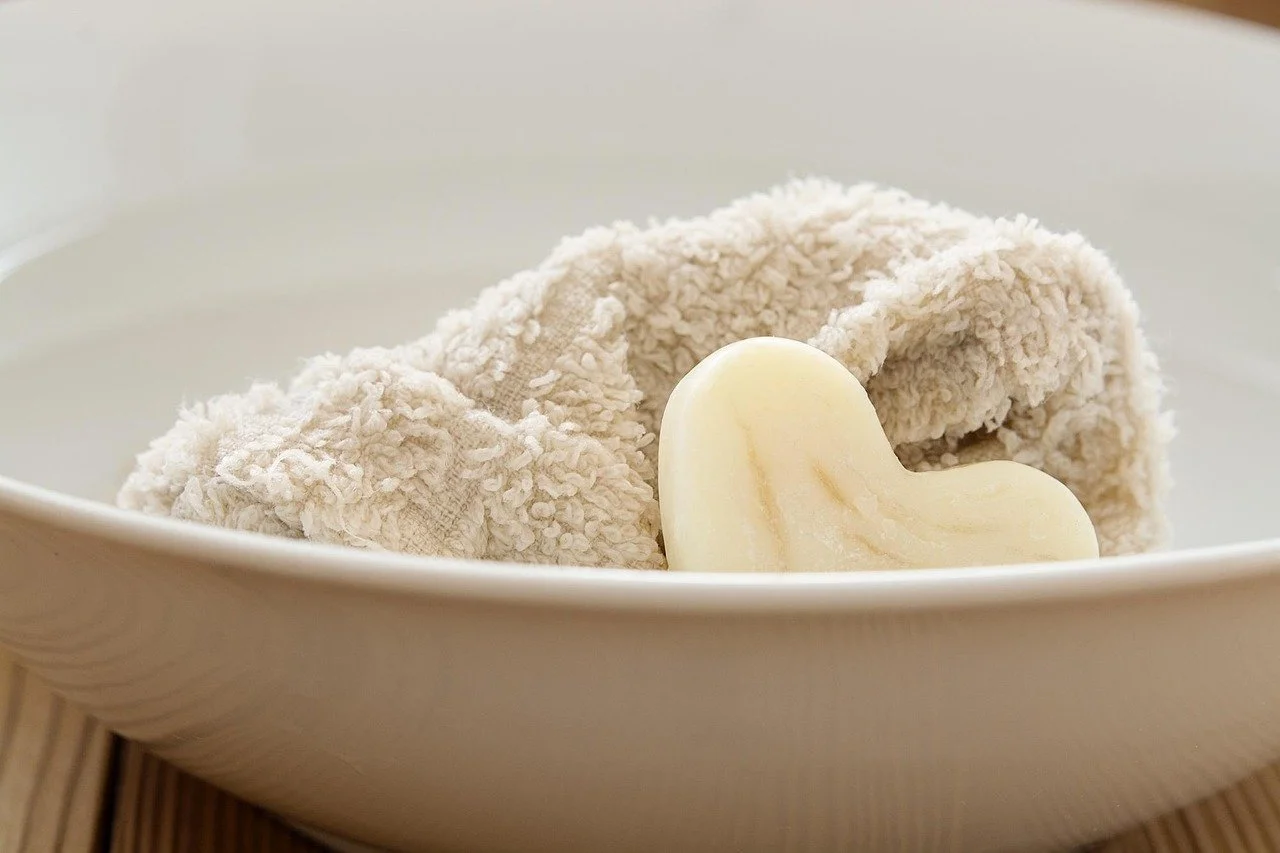
Warm water (in a large bowl, if not doing over a sink)
Soap
Three washcloths
Towel to dry and for privacy
Prepare Space:
Make room warm
Create privacy: close door
Wash:
Dip washcloth in warm water.
Begin at face and neck. Be gentle.
Rinse washcloth and add soap and wash each hand and arm. Use a clean wet washcloth to wash off soap.
Next, use soapy washcloth to wash underarms and torso.
Rinse and dry with towel.
Repeat with chest and stomach.
Repeat with legs and feet.
Clean genital region with fresh washcloth.
Dry and apply gentle lotion, if using.
Oral Health on Bad Days
If you are struggling to do basic activities of daily living, like brushing your teeth at the sink, then this video is for you! This video offers demo and strategies to make brushing your teeth at the sink easier. Education provided on compensatory strategies and energy conservation.
EASIER ALTERNATIVE:
(if you cannot get up/walk/stand):
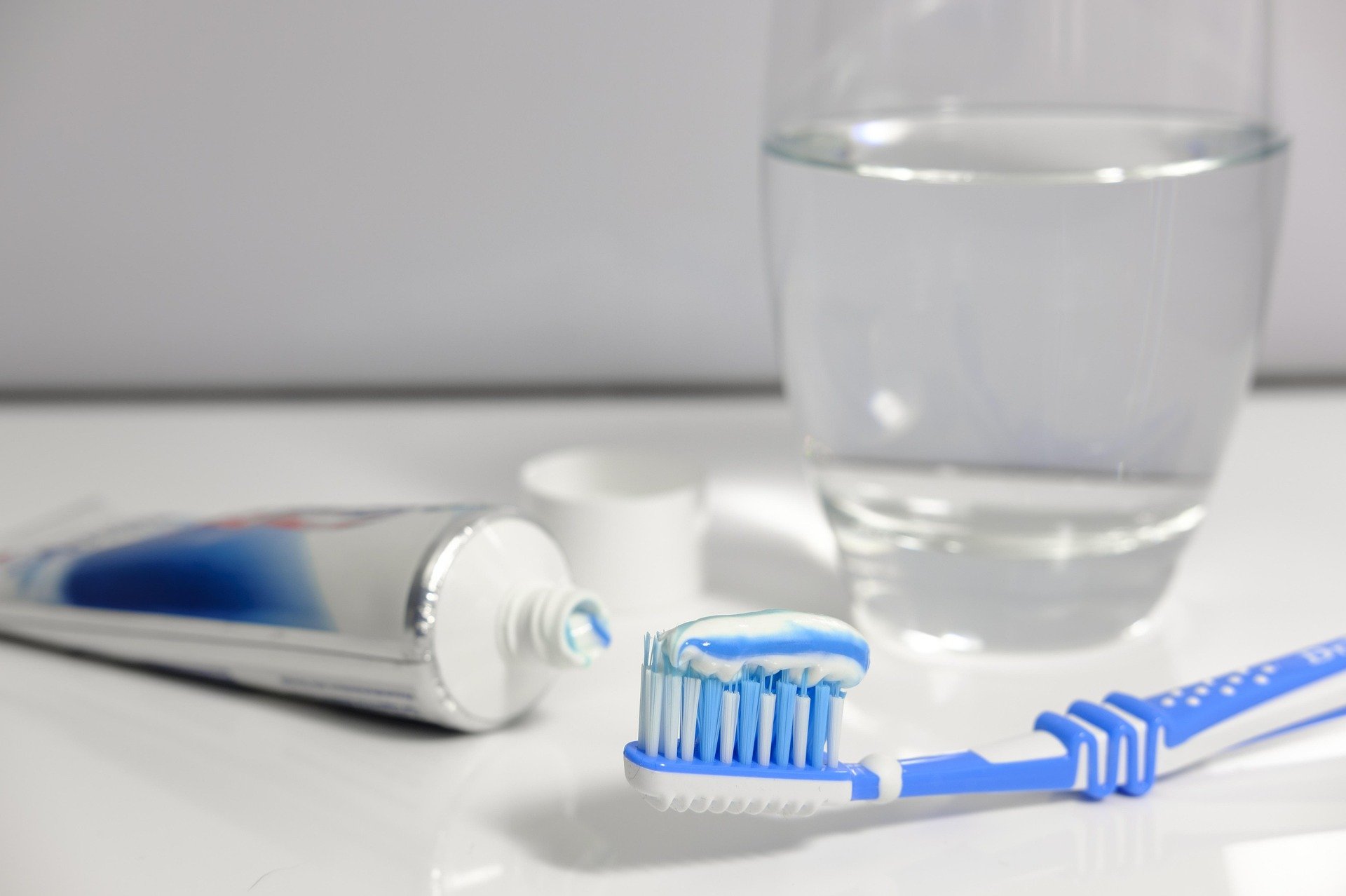
Have someone bring you your toothbrush, toothpaste, a small cup of water to swish, and a small bowl to spit in. Sit upright. A washcloth to dry your mouth may help too!
OTHER ALTERNATIVES:
(not as effective as toothbrushing, but better than nothing):
1. Have someone bring you a dampened, super-soft toothbrush and lightly freshen your teeth.
2. Premoistened dental wipes.
3. Have a companion bring you a dampened washcloth and smooth along teeth/gums.
IMPORTANT SIDE NOTE:
This may not work for you today. And that's OK.
You know YOU best.
Listen to your body.
We are all in different places in treatment, recovery, and healing.
If you do not feel like standing to brush your teeth is do-able for you right now... perhaps if you just had diarrhea or you are super weak... then listen to your body and go lay down after toileting. You can brush your teeth when you’re feeling better. Safety comes first :-)
#3 SUPPORTS
The supports in this section refer to BOTH emotional and physical. On the bad, stormy days of chemo, you might need some extra help.
Identifying What You Need… when you don’t know what you need.
If you are having a really challenging day with chemo, this video can help you identify what you need to feel better. It's quick and easy and takes just seconds to do. All you need is you and your phone!
Changing your Body’s Position can Change your State of Mind.
This is an easy, short activity to help relax the body, relieve tension and improve mood. By changing the position of the body, one's spirits can be lifted.
CALMING … HEALING …
Ho'oponopono mantra with Binaural 8 Hz 528 Hz.