Chemotherapy-Induced Hair Loss aka Alopecia
In this section, you will find:
Frequently Asked Questions
Info on Cold Caps
Resources
Studies show that 58% of patients find hair loss the worst side effect of chemotherapy, causing severe emotional distress, anxiety, depression, and a loss of identity.
— National Institutes of Health
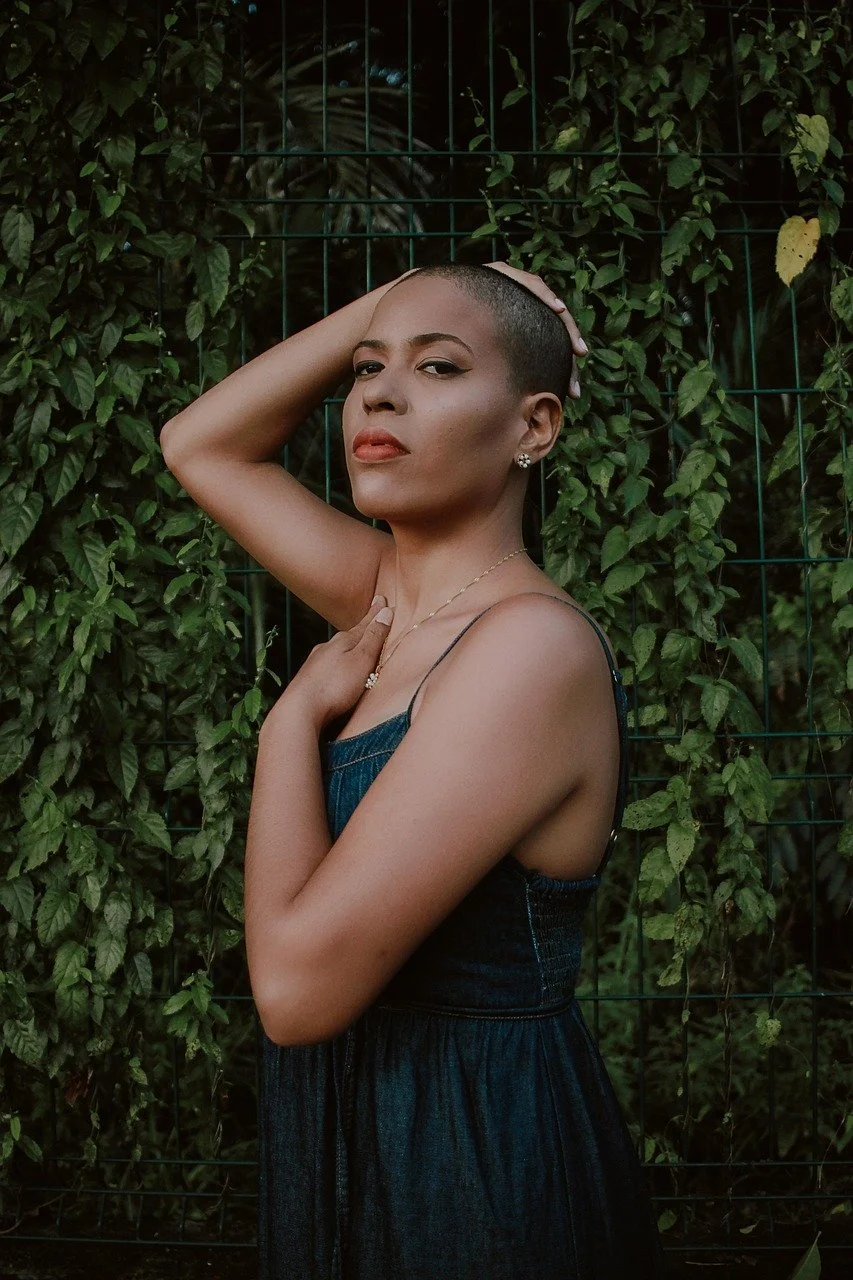
Image pixaby.com by 2704056
Frequently Asked Questions
-
Talk to your provider. Many of the chemotherapy drugs used to treat breast cancer cause hair loss over most, if not all, of the body.
-
Chemotherapy targets fast-dividing cells. Cancer cells divide quickly, but so do your hair follicles.
-
Yes. Cold capping is a strategy that may prevent hair loss. PLEASE NOTE: cold capping needs to be done at EVERY infusion. Therefore, you need to have them BEFORE your first chemotherapy session. Also, check with your oncologist. Cold is contraindicated for some chemotherapy regimens.
-
It depends. See below for research on average hair preservation. The amount of hair saved depends on the specific chemotherapy regimen, how well you adhere to the protocol, your own hair follicles’ response, etc.
-
Hair loss rates vary by individual and the chemotherapy regimen. Some people find it falls out very quickly in clumps approximately two to three weeks after their first infusion.
-
Use a #2 guard on hair clippers. Many individuals state that this is a more comfortable choice than shaving your head. It also minimizes the chance of cuts and infections.
-
There are many strategies - with a number of free resources: wigs, scarves, caps (with hair attached). See below for details.
-
Chemotherapy can cause scalp sensitivity and irritation. Exposure to sun and the elements can heighten tenderness.
OPTION #1: COLD CAPS
What are cold caps?
Cold caps are very tightly worn and VERY cold caps that are worn on your head during your chemotherapy infusion to help minimize hair loss.
The caps work by cooling the scalp, which constricts the blood vessels and reduces the amount of chemotherapy directed to the hair follicles.
VERY IMPORTANT:
IF YOU WANT TO DO COLD CAPS, YOU MUST ACT
BEFORE YOU START ANY CHEMOTHERAPY INFUSIONS.
YOU CANNOT MISS ONE.
FIND OUT NOW IF YOUR FACILITY OFFERS THEM.
IF NOT, SEE INFORMATION BELOW ON OBTAINING THEM ON YOUR OWN.
COLD CAP PROVIDERS:
If you need to acquire cold caps on your own (i.e., your oncology infusion does not provide them and you would like to try it), the following list is a good place to start.
The following are the main providers of cold caps. The links take you to their sites.





IF YOUR INFUSION FACILITY DOES NOT OFFER COLD CAPS AND YOU WANT TO DO IT ON YOUR OWN:
Make sure you have financial resources to pay out of pocket*
Find a partner to be your “capper” during chemo **
Be dedicated to preserving your hair
Endure extreme cold on your head for hours
Research your options thoroughly
Understand the system you select: many involve buying dry ice, coolers, and other paraphernalia…see links below to ALL the main cooling cap companies.
*A few states cover the costs of cooling caps; most do not as of 2026.
** Some systems do not require a capper, as they are connected to a cooling system. Research below as to which system will work best for you.
IMPORTANT FACTS ABOUT COLD CAPS:
YOU MUST USED COLD CAPS AT EVERY INFUSION AND DURING THE ENTIRE INFUSION (WHICH MAY LAST FOR HOURS).
Some oncology infusion centers offer cold caps; MANY DO NOT. If you have recently been advised that you need chemotherapy and want to do cold caps, check with your oncology office immediately to find out if they offer this resource.
If your infusion center does not offer cold caps, you will need to obtain them on your own. They can be rented or purchased. Research companies: each has its own pros/cons. Some are FDA-approved (though that does not mean necessarily that it is covered by insurance). Some have been used in research studies to assess hair preservation strategies. Review all your options to see which company may work best for you.
Most insurance companies do NOT cover the cost of cold caps. As of early 2026, New York was the first and only state to require major insurance companies to cover the cost of the cold caps (check with your oncology team).
Cold capping can be uncomfortable due to wearing very cold and very tightly-worn caps on your head for hours.
If you acquire cold caps on your own, be aware that some capping system require additional equipment (further out of pocket expenses), such as: dry ice (for each infusion), a large cooler, special gloves, a temperature gauge, moleskin or some skin protectant for your ears, etc. Also, you may need a “helper” to help you remove and secure caps during the infusion. If you have to change caps every 20 minutes or so, you will need a helper; you will NOT be able to do this on your own.
OPTION #2: HEAD COVERINGS
RESOURCES:
FREE (OR NEARLY FREE) OPTIONS