PREPARE FOR CHEMO
This section is key if you are beginning your journey with chemotherapy.
-
Helpful tips to consider when you first meet with the oncologist to discuss your plan of care.
-
Medication management, calendars for tracking infusions and appointments, frequently-asked questions, strategies for keeping it all together.
-
Checklists for the week, day and morning prior to your first infusion, grocery list of helpful items, talking to loved ones, planning the more complex aspects of your life.
-
How to get the help you need. Resources.
You Just Found Out You Need Chemotherapy…
This is a tremendously upsetting and overwhelming time. Many individuals, after completing chemotherapy, have reported that being newly-diagnosed was the hardest time for them emotionally… even harder than the actual chemotherapy infusions. You have everything in front of you and a lot of unknowns. This website is designed to help.
This section covers ALL the ways to prepare… You can scroll through the pages or click the links below to be directed right to the help you need:
Understanding chemotherapy terms and schedule

The following topics will prepare you for your first chemotherapy infusion:
1. THE BASICS

SAVE THIS INFORMATION IN YOUR PHONE.
DOCTOR INFORMATION
Primary Care Physician: ____________________________
Phone: ___________________________
Oncologist: _______________________
Phone: ________________________
Nurse Navigator:
________________________________
After-Hours Call: _________________
Pharmacy/Phone #: _______________

YOUR FIRST APPOINTMENT WITH THE ONCOLOGIST.
This time with your doctor is invaluable.
Use it wisely.
Be prepared.
Bring a family member or friend.
Bring questions.
You likely already have many questions that you want to ask. Here are some additional ones to consider:
Logistics of the oncology office:
When are your office hours?
Who is the best point of contact in-between treatments?
What do I do if I have a medical problem/concern after-hours?
What support services (community, in-office, support groups, pastor, counselor, etc.) are available?
Big picture questions about my cancer treatment:
1. What is the goal of my cancer treatment?
2. What are treatments for my type and stage of cancer?
3. What are the benefits and risks of each of these treatments?
4. How will treatment be administered? Pill? Injection? Infusion?
5. Will I need a port or a PICC line? When/how does that get done?
SEE ALSO MORE CHEMOTHERAPY-SPECIFIC QUESTIONS BELOW …

MY DIAGNOSIS
My breast cancer is Stage: ___________ (stage 0-IV)
Is it invasive? ________ (yes “IDC/ILC” OR no “DCIS”)
I am ER/PR______ (positive or negative?)
I am HER2 ______ (positive or negative?)
Other Information (grade, name):_________________________
When we see the oncologist (usually right before our actual chemotherapy treatment), it is easy to get sidetracked, overwhelmed, or simply forget to mention concerns or ask important questions.
You may be worried about your upcoming chemo treatment or a lot of time has passed between appointments with many different medical issues. It may be hard to remember something that happened weeks earlier. You might have “chemo brain”… below are some tips for remembering your questions for the nurse/doctor.
Memory Tips for Asking Questions to Oncologist

Write out questions in advance and hold them in your hand.
Bring family member or a friend and ask them to remind you as well. They can also help take notes and help you process/recall info afterwards.
Do not be shy about writing notes during the appointment. Use your phone if you need to and write yourself a text with information.
CHEMOTHERAPY TERMINOLOGY: QUICK OVERVIEW
CYCLE: The time between one treatment and the next is called a cycle. The number of cycles will be determined by your diagnosis and the type of chemotherapy you are given.
HOW MANY CYCLES: The number of chemotherapy treatments and how often they occur varies by patient. Your oncologist will advise you of how many treatments (cycles) you will have based on your diagnosis.
HOW FREQUENT: You might have chemotherapy several days in a row - or once a week - or once every three weeks. It varies by patient. Your oncologist will develop a plan based on scientific research for your specific cancer.
BREAKS: You will likely have a certain number of days or weeks between treatments. This break gives the drugs time to do their job. It also gives your body time to heal so you can handle side effects like nausea, hair loss, or fatigue.
DETAILED QUESTIONS ABOUT YOUR CHEMOTHERAPY TREATMENT
1. What happens during treatment?
2. Where will I go for treatment?
3. How long will each treatment session take?
4. How many treatment sessions will I have?
5. Should/Can a family member or friend come with me to my treatment sessions?
6. How will I feel after each treatment?
7. What are the more common side effects of this treatment?
8. When will side effects start?
9. Are there any over-the-counter medications I should purchase in advance?
10. Are there any side effects that I should call you about right away?
11. Are there any lasting side effects of the treatment? How can I prevent or treat side effects?
12. Is peripheral neuropathy in my hands and feet a side effect? What are my options?
13. Will I lose my hair? Do you offer cooling caps?
14. Will this treatment affect my ability to have children?
2. MY CHEMO TREATMENT SCHEDULE:
My chemotherapy drug(s) is/are called:
_________________________________
_________________________________
_________________________________
_________________________________
I am having ____ cycles of chemo with one cycle every ____ days/weeks.
MY SCHEDULE:
1st Chemo Treatment (Cycle 1 starts): ___________________
2nd Chemo (Cycle 2 starts): ___________________
3rd Chemo (Cycle 3 starts): ___________________
4th Chemo (Cycle 4 starts): ___________________
5th Chemo (Cycle 5 starts): ___________________
6th Chemo (Cycle 6 starts): ___________________
7th Chemo (Cycle 7 starts): ___________________
8th Chemo (Cycle 8 starts): ___________________
2. ONLINE CALENDAR RESOURCES
SHARING INFORMATION CAN BE HELPFUL
https://www.carecalendar.org/
Care Calendar is a great resource for sharing information on one community calendar. May be especially helpful for individuals who will need a lot of help.
https://lotsahelpinghands.com/
Lotsa Helping Hands is another great resource for putting all your appointment information in one place and coordinating help.
https://workspace.google.com/products/calendar/
Google offers this basic, free resource for sharing calendar info. May be easier to manage.
3. Prevent Hair Loss
IF YOU ARE INTERESTED IN TRYING TO SAVE YOUR HAIR FROM CHEMOTHERAPY,
RESEARCH COLD CAPS NOW… BEFORE YOU START CHEMOTHERAPY!
CLICK LINK TO LEARN MORE:
4. Prevent Peripheral Neuropathy

TALK TO YOUR ONCOLOGY TEAM ABOUT PERIPHERAL NEUROPATHY, A POTENTIAL SIDE EFFECT OF CHEMOTHERAPY. NOW.
ASK IF YOU USING COOLING GLOVES AND COOLING SOCKS OR COMPRESSION GLOVES/SOCKS WILL HELP PREVENT NEUROPATHY IN YOUR HANDS AND FEET.
CLICK BELOW TO LEARN MORE:

5. CHECKLISTS TO PREPARE
Week Before Chemo
Day or Two Before Chemo
Morning of Chemo
CHECKLIST
A Week or Two Before Chemo:
_____ Obtain pharmacy medications (as prescribed by oncology team)
_____ Purchase additional over-the-counter medications (as recommended by oncology team)
_____ Research and choose hair loss strategy: cold caps, trim/shave, head wrap, wigs, caps/hats
_____ Obtain options for hands and feet protection from peripheral neuropathy (consult with oncology
team): cooling gloves and cooling socks, cold packs, compression gloves/socks
_____ Call dentist – inquire as to their guidance: possible check-up or cleaning?
_____ Buy groceries, including targeted list and essentials
_____ Consider how to manage more complex home management tasks
_____ Communicate with friends and family for support and ways they can help
_____ Enjoy favorite activities/hobbies
_____ Engage in self-care activities
CHECKLIST
A Day or Two Before Chemo:
_____ Prescriptions filled and picked up and readily available
_____ Grocery shopping completed
_____ Fresh sheets on bed (with fresh sheets to change)
_____ Set-Up bathroom for precautions
_____ Set-Up bedroom or designated kitchen space for medication management
_____ If using Cold Caps, begin new hair care routine (as per provider instructions)
_____ Laundry and dishes completed
_____ Organize/pack for Chemo Day
_____ Take pre-chemo medications prescribed (if applicable)
CHECKLIST
Morning of Chemo:
_____ Take pre-chemo medications prescribed (if applicable)
_____ Pack items to help prevent/minimize neuropathy, i.e., cooling gloves/socks, compression socks
_____ Pack Items for Cold Caps to minimize hair loss (optional): cooler, towel, dry ice, gloves, thermometer, caps, acquire dry ice, etc.
_____ Pack water bottle, light food/snacks, ginger ale, etc.
_____ Pack cell phone and charger
_____ Pack comfort items
_____ Complete self-care: shower, brush teeth, toilet
_____ If a port is to be accessed, apply numbing agent as prescribed by oncology team
6. PREPARING YOUR HOME
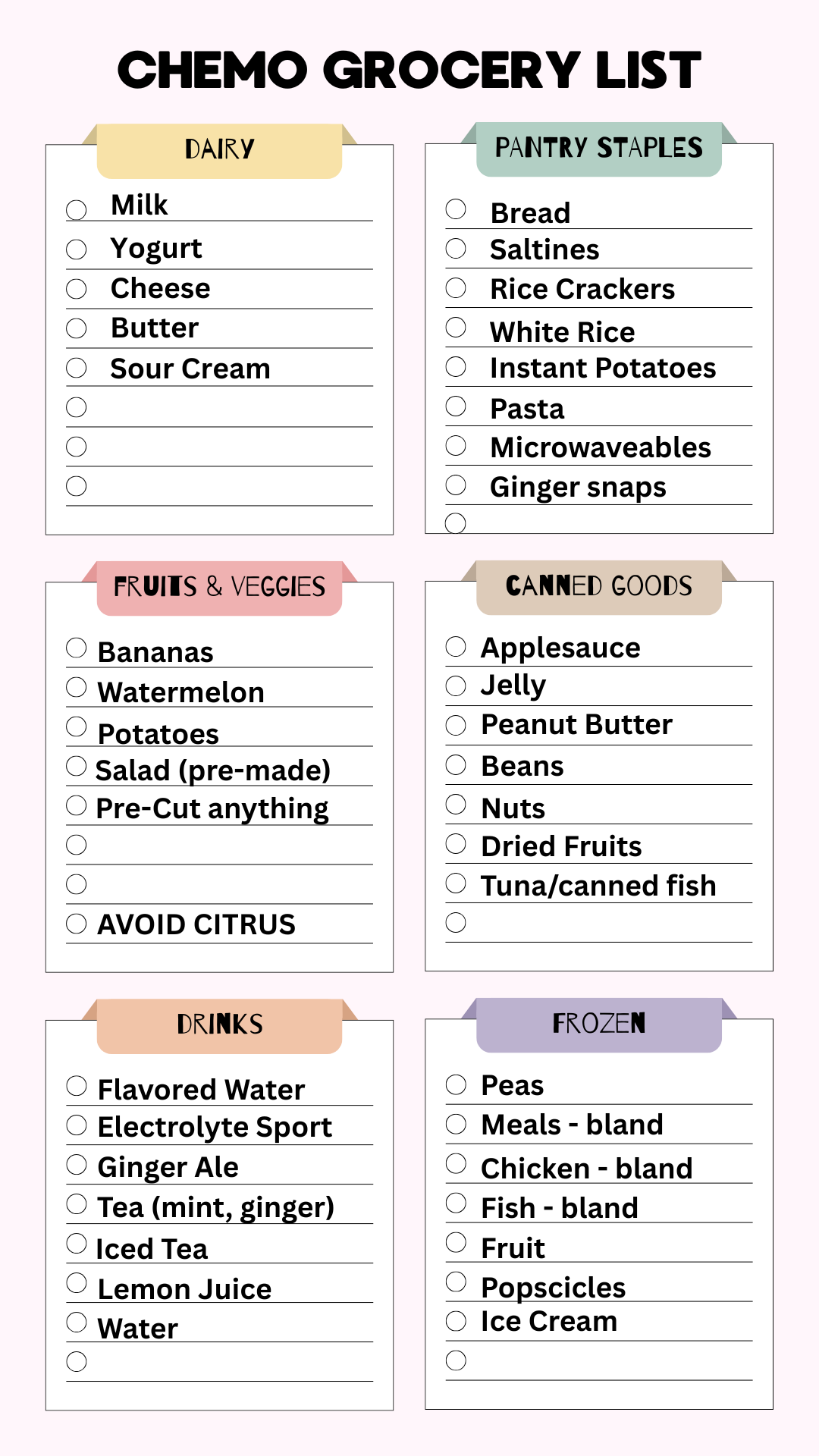
GROCERY LIST
This is a list of grocery items that may alleviate side effects from chemo. These foods are just suggestions; we all have our own personal tastes and know what works for us.
Add anything to this list that brings you comfort & joy.
FRUITS & VEGETABLES:
_____ AVOID highly acidic fruits, like orange or grapefruit
_____ Bananas (reduce diarrhea, balance electrolytes)
_____ Watermelon – pre-cut (hydrating)
_____ Potatoes (hydrating)
_____ Salad (premade kit for energy conservation)
_____ Pre-Cut anything else (energy conservation)
PANTRY STAPLES:
_____ Bread (helps nausea, diarrhea, indigestion, good for mouth sores/throat)
_____ Saltines (helps nausea, diarrhea, indigestion)
_____ Rice crackers (helps nausea, vomit, diarrhea, & indigestion)
_____ White rice (helps diarrhea, indigestion, & stomach acidity)
SIMPLIFY: microwaveable rice options or boil-in-bag rice (fatigue)
_____ Instant potatoes (energy conservation)
_____ Pasta
_____ Microwavable foods (energy conservation and less aromatic than oven)
CANNED GOODS:
_____ Applesauce (nausea, diarrhea, easy to swallow) (note: cinnamon can irritate)
_____ Jelly (any flavor that appeals to you, naturally sweetened may be best)
_____ Peanut butter (helps with weight gain, good source of protein)
_____ Beans (good source of protein, easy to swallow)
SNACKS:
_____ Ginger snaps (helps nausea)
_____ Ginger candies (helps nausea)
_____ Graham crackers (helps nausea)
DAIRY:
_____ milk
_____ yogurt (easy to digest, probiotics, can use for smoothies)
_____ cheese: string cheese, cheese slices, shredded (protein, energy)
_____ sour cream (if losing weight, can help add)
_____ butter (if losing weight, can help add)
BEVERAGES:
_____ Flavored waters (hydration, variety to make it more appealing)
_____ Electrolyte, sports drink (electrolytes after vomit, diarrhea)
_____ Ginger ale (nausea)
_____ Tea, like ginger or peppermint (nausea, hydration) (NOTE: mint may irritate)
_____ Other teas (soothing to mind/soul, hydration) (NOTE: heat may aggravate)
_____ Lemon juice (nausea) (NOTE: acidic, may irritate mouth)
_____ Water bottles (hydration after diarrhea, vomit, constipation)
FROZEN:
_____ Frozen peas (for neuropathy)
_____ Frozen meals that appeal to you (be cautious with strong smells or flavors)
_____ Frozen fruit: strawberries, blueberries, raspberries, etc. (hydration, healthy)
_____ Popsicles (help mouth sores, reduce nausea, improve hydration)
_____ Ice cream (may help with mouth sores, gain weight, hydration)
PAPER GOODS and CLEANING PRODUCTS:
_____ Toilet paper – good quality (helps with diarrhea)
_____ Paper towels (helps with precautions, energy conservation)
_____ Plastic plates/forks and knives (helps with precautions, energy conservation)
_____ Straws (helps with hydration)
_____ Dishwashing detergent
_____ Laundry detergent (stock up as heavy item)
_____ Anti-bacterial cleaner (for keeping home clean and safe)
_____ Disposable wipes (for cleaning surfaces in bathroom after chemo)
_____ Trash can liners
_____ Garbage bags
HEALTH and HYGIENE:
_____ Face masks (to keep you safe from infections when in public)
_____ Lotion to protect skin (ideally with SPF, may want one for sensitive skin)
_____ Hat or head covering (protect delicate scalp from sun)
_____ Anti-bacterial soap (in pump for ease of use, sanitary)
_____ Toothbrushes (soft, quality, multi-pack)
_____ Toothpaste (your own dedicated tube, try sensitive gum if lining irritated)
_____ Washcloths
_____ Pet food/litter/supplies (if low, stock up as heavy items/hard to manage later)
MEDICATION MANAGEMENT
…more than just taking your pills as directed.
KNOW YOUR MEDS AND HOW/WHEN TO TAKE THEM:
REVIEW MED LIST FROM DR.
WRITE IT OUT BY HAND
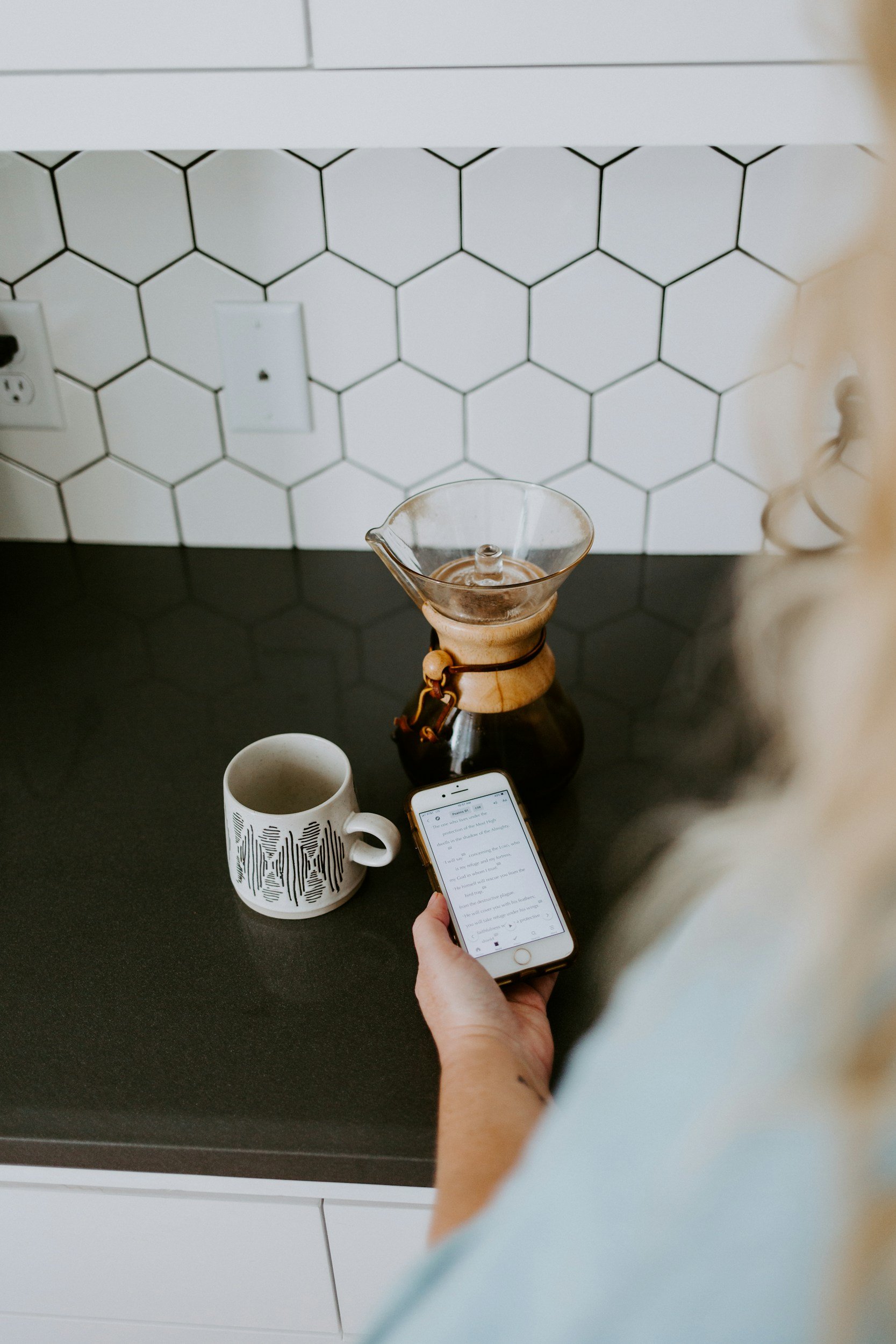
TRY PHONE APPS THAT CAN HELP YOU TRACK AND MANAGE YOUR MEDS
2. LOCATION OF MEDS:
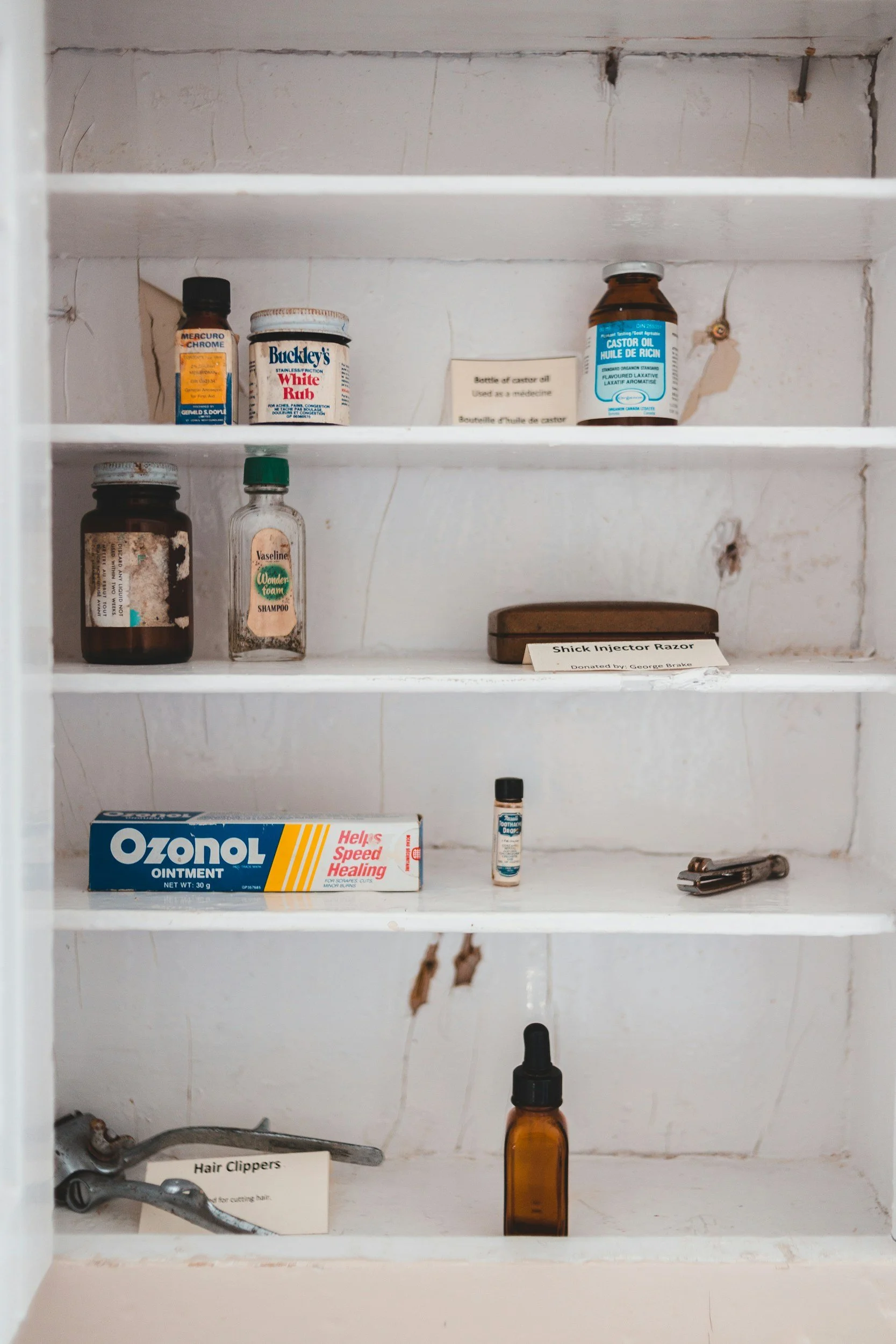
SAFE: from individuals (and pets) who may accidentally ingest
EASY ACCESS: YOU must be able to access the medication when you need it (unless you have a full-time caregiver).
LOGICAL: Strategic placement of your medicines, you will be more likely to take it when needed and as directed. For example, place medications to be taken with food in the kitchen, ones before bed, next to the bed, etc.
CONSISTENT: Keep track of times when you take the medication.
3. VISUAL IDENTIFICATION OF PROPER MEDICATIONS
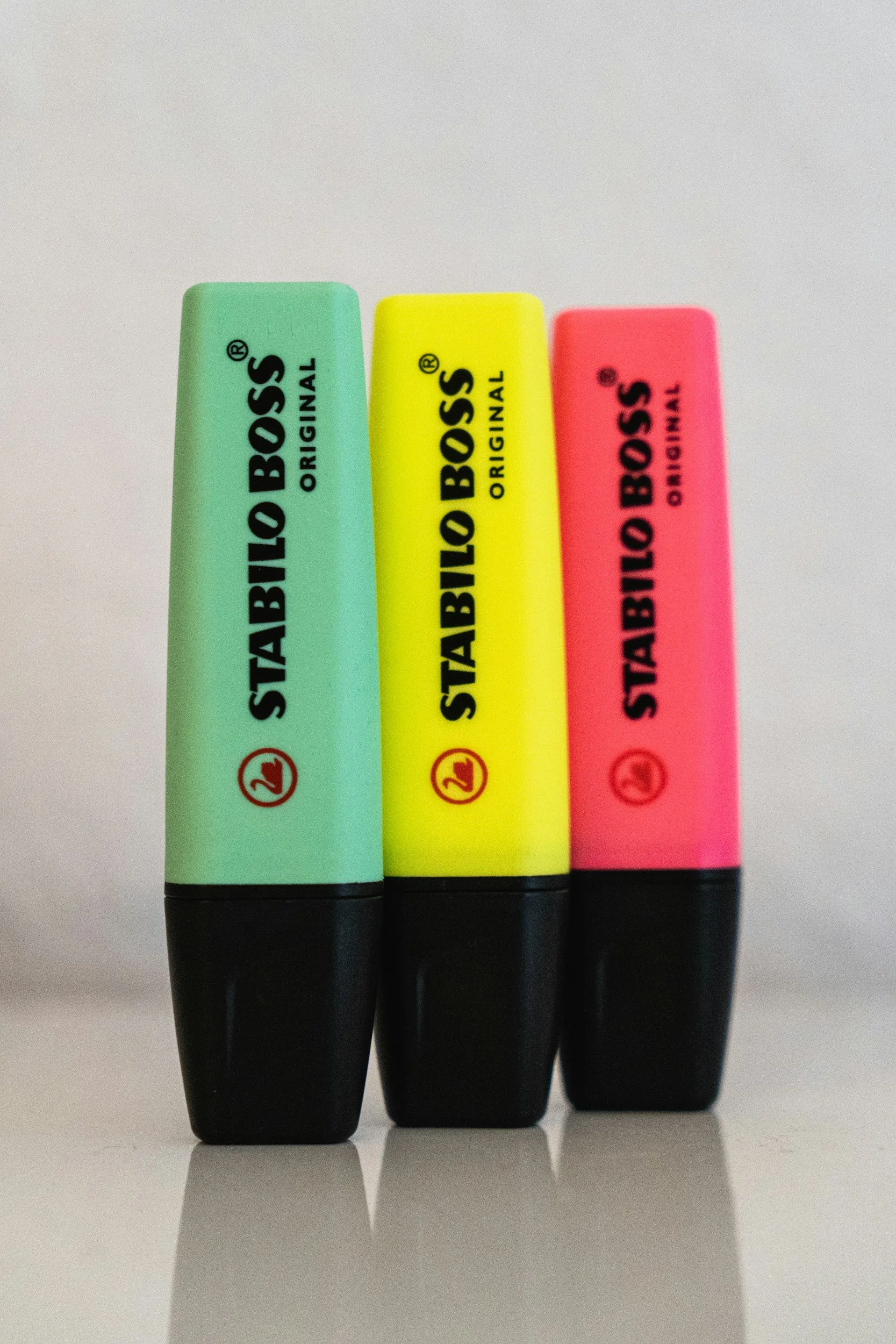
HIGHLIGHT/COLOR CODE
USE GLASSES, if needed and keep close by the medicine if only used for small print
REQUEST LARGE FONT FROM PHARMACY
INCREASE LIGHTING


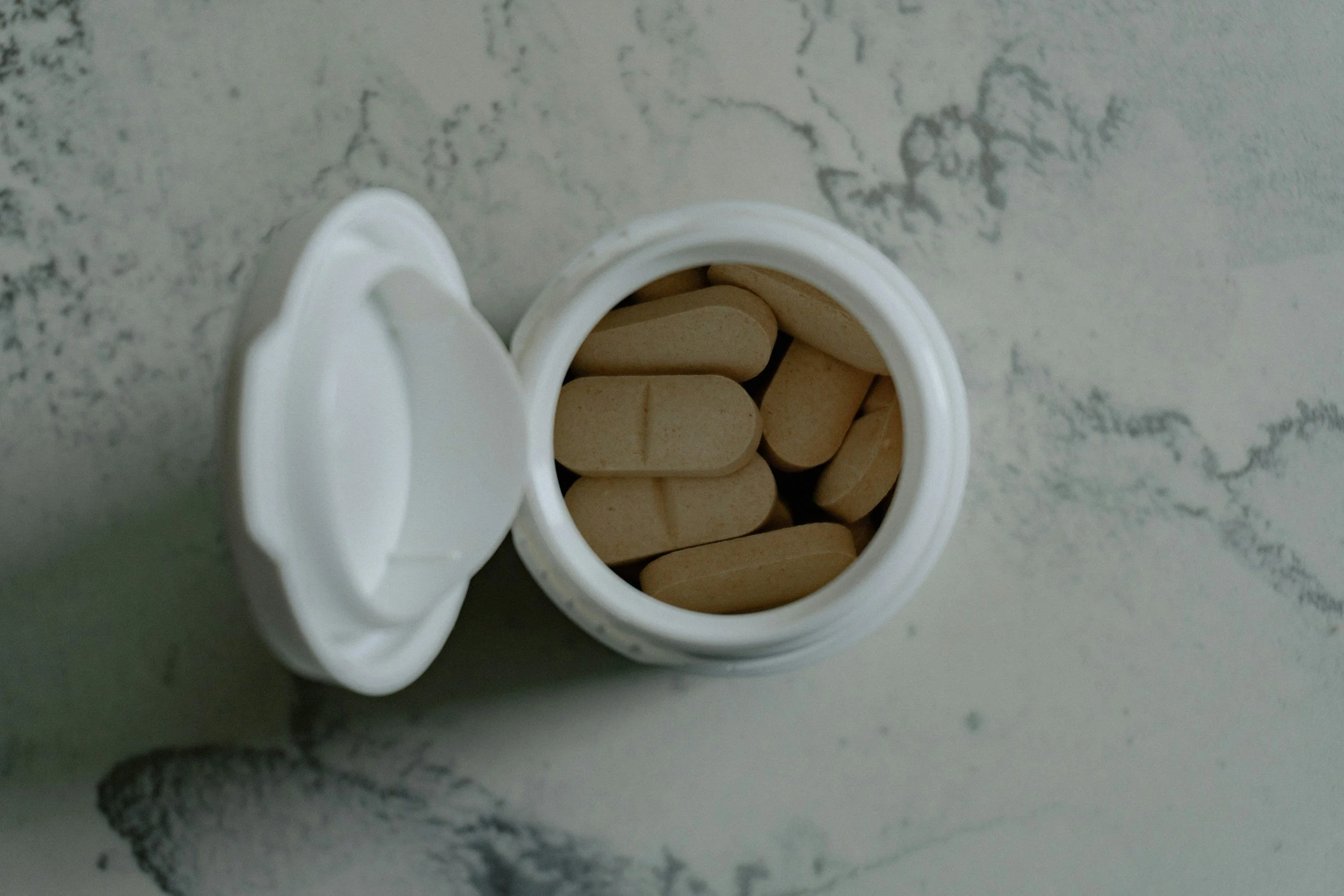
4. PHYSICAL ABILITY TO OPEN BOTTLE: make sure YOU are able to open the bottle.
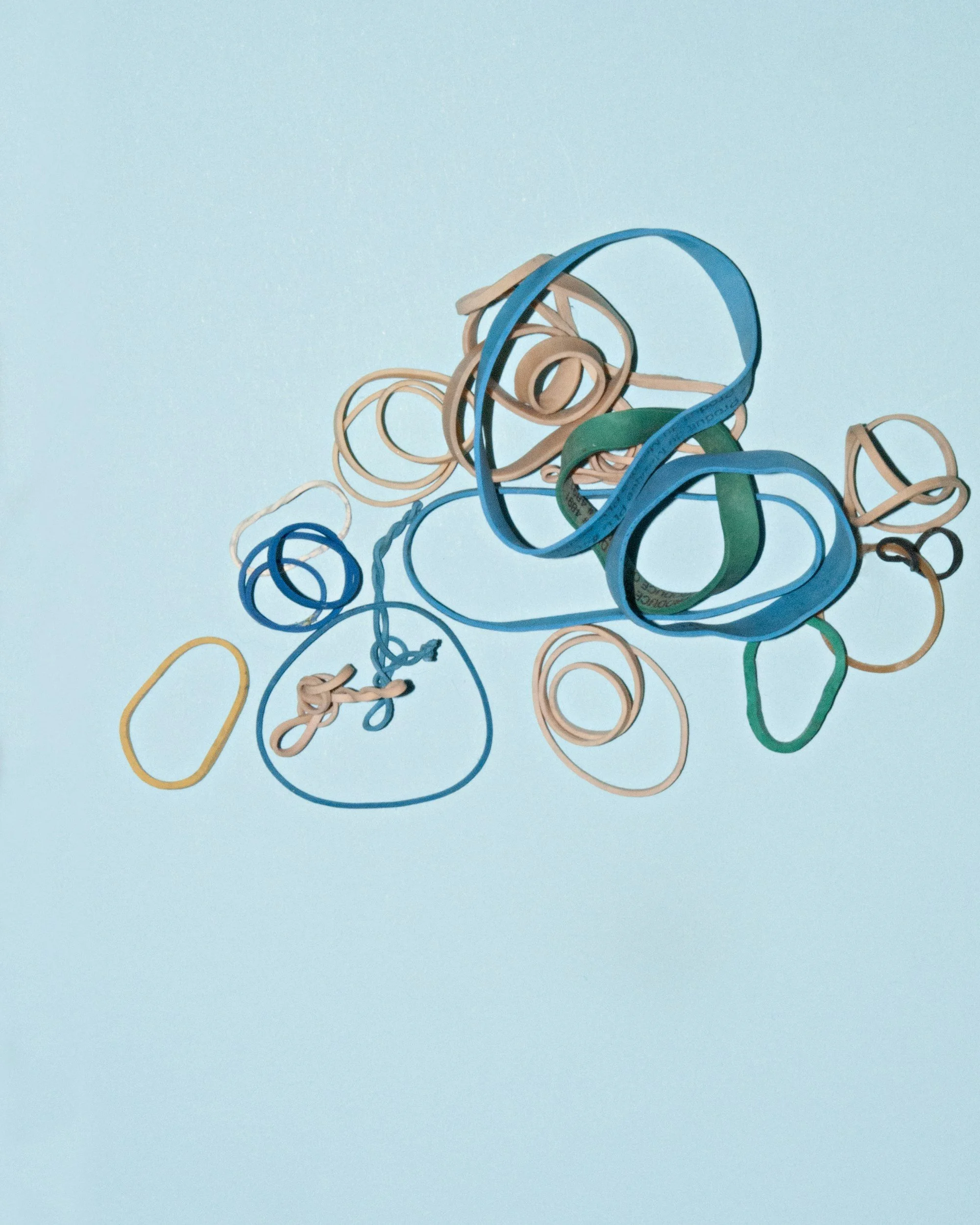
Use a rubber band. A rubber band around a bottle cap can provide extra resistance. This is especially helpful for bottles that are small or difficult to grasp.
Try non-slip mats. Place a “press and turn” medication bottle on a non-slip mat, with another non-slip mat on top. After placing your hand on the bottle, use your body weight as you press and twist to open.
Talk to pharmacist. Snap-off caps may be a viable option. Also, some pharmacies also offer simple-dose, prepackaged medications.

MEDICATION REMINDERS:
TRY PHONE APPS
HAND WRITE IT OUT AND LEAVE IN CONSPICUOUS LOCALE
GET HELP FROM FAMILY

First 2 to 3 days post infusion
〰️
First 2 to 3 days post infusion 〰️
Precautions:
Room-By-Room
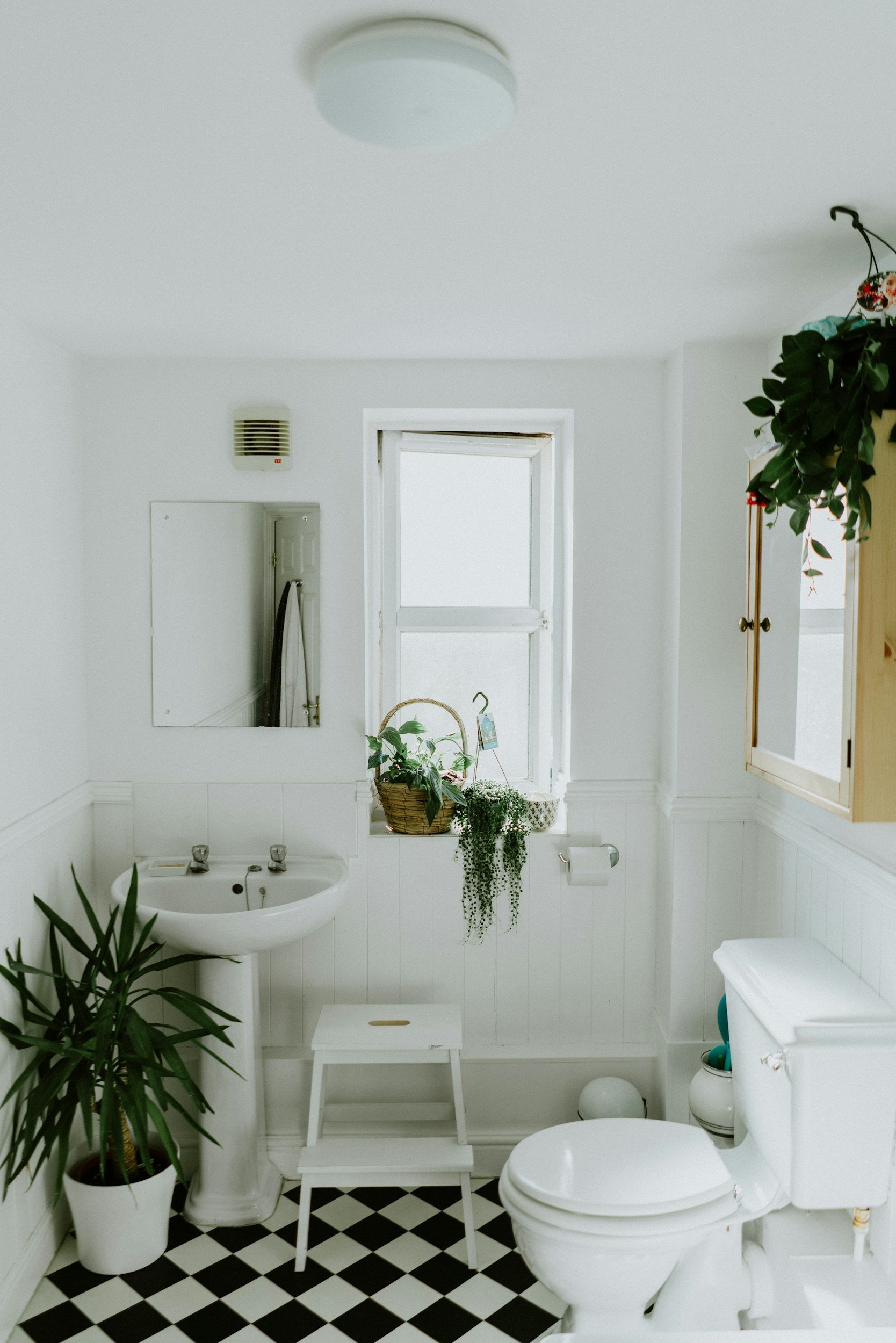
THE BATHROOM.
TOILET
Close lid and flush 2X, every time.
Wash hands thoroughly.
SINK
Use disposable paper towels or dedicate a special hand towel (no sharing).
Keep disposable wipes nearby to clean surfaces between use.
TOOTHBRUSH
Don’t share toothbrushes or toothpaste.
TRASH
Line trash cans with plastic bags for safe disposal.
1


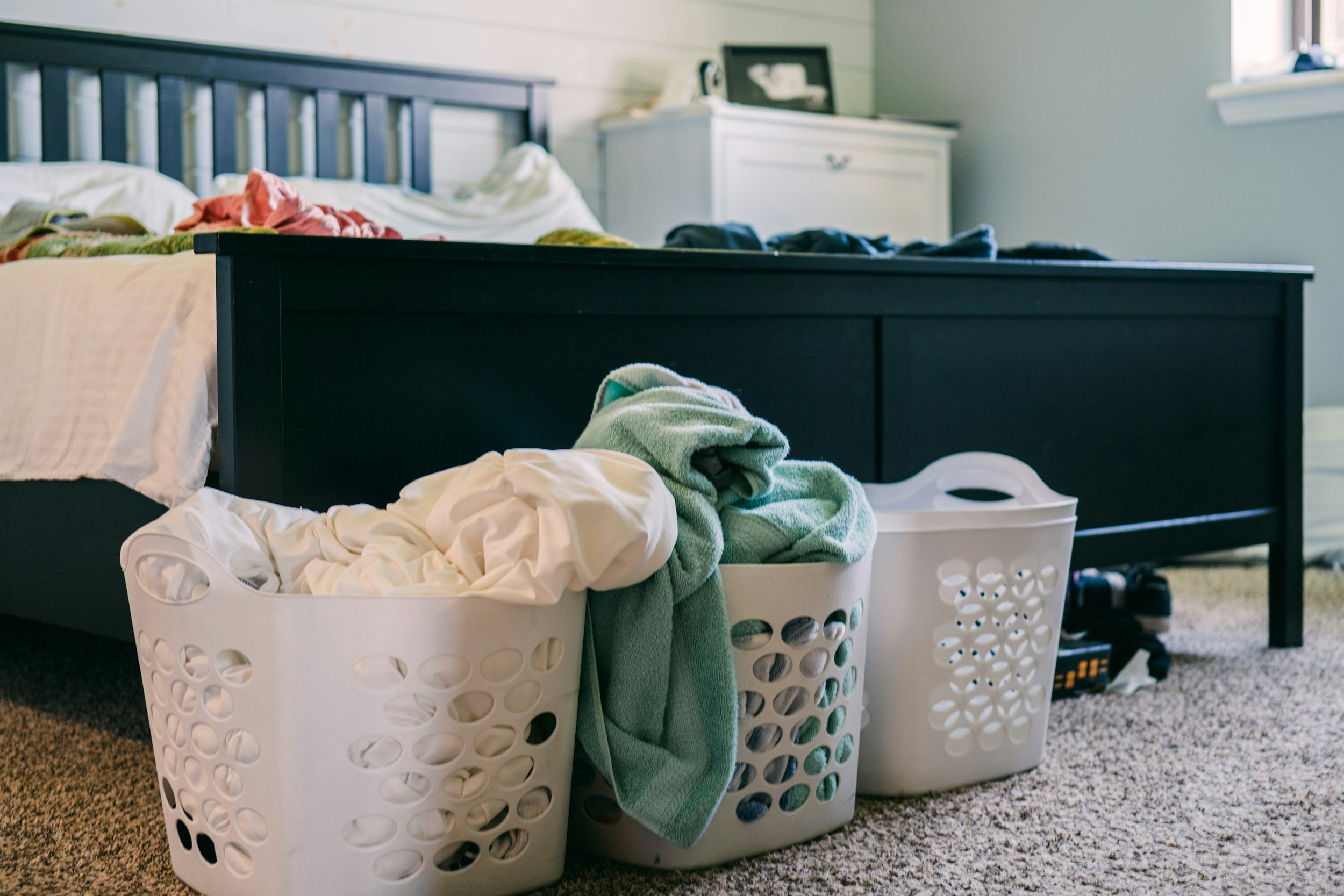
THE LAUNDRY:
Place all soiled clothes/linens in separate plastic bag.
Wash clothes in separate wash load from other people’s laundry.
Use hot water and wash 2X.
2
3
THE KITCHEN.
Use disposable silverware and plates.

7. SOCIAL SUPPORTS
One of the first considerations you may face once you learn about needing chemotherapy is who you are going to tell about your diagnosis / treatment plan.
Every situation is extremely different. For some individuals, sharing about their chemotherapy treatment may not be an issue; for others, perhaps those who are more private or have different concerns, sharing this information can be very challenging and personal.
The following pages offer suggestions and some practical considerations:
CONSIDERATIONS
WHO TO TELL:
THIS CAN BE A VERY SMALL LIST OR LONG…
Consider ALL the people in your life:
CLOSE FAMILY
FRIENDS
DISTANT FAMILY
COWORKERS
NEIGHBORS
TIP:
Some people going through chemotherapy create an “Inner Circle” - the family and loved ones who they prioritize with information and updates.
Who needs to know?
Who do I want to share this with?
Who will find out anyway? Am I OK with it if they don’t hear it from me?
WHEN & HOW:
When: You may want to tell some people immediately, for support, for respect, for your love. Other people maybe do not need to know right away. Or maybe you choose to tell everyone at once and field all the questions and concerns and support at one time rather than staggered. The choice is yours.
How: For those nearest to you, a quiet place for emotions to be expressed might be wise. Choose the way that feels the best for you.
There are so many ways to share news. Consider how different the information feels being told in these different ways:
in person v. on the phone?
posting on social media?
email?
text?
group setting or alone?
It depends on you, on the context, on the person and on the situation.
Take your time to figure out what feels most comfortable for you.
TIP:
Some people create groups on social media to reduce the number of repeat questions and to centralize/consolidate updates. Some examples:
www.Carepages.org (through MD Anderson)
https://www.cancer.org/support-programs-and-services/acs-cares.html (American Cancer Society app)
WHAT TO TELL:
Generally, clear, direct, and honest language is best.
For example, “This is hard to say, but I have cancer and need chemotherapy.”
Of course, with children, you need to frame it in words and a way that they can understand, while being honest.
You do not need to divulge every aspect of your health if you choose not to. It is your personal business. However, be prepared for people to have questions.
TIP:
Some people designate a “Gatekeeper” to reduce the amount of details and number of times information needs to be relayed, especially as it relates to acquaintances who may not need to know specifics.
WORDS MATTER
A SPECIAL NOTE FOR CAREGIVERS AND LOVED ONES:
If you are wondering what TO SAY TO SOMEONE who recently found out about chemotherapy treatment, scroll through some ideas below. Everyone is different, but these ideas have been repeatedly identified as helpful to individuals going through chemotherapy:
VALIDATE
OFFER REAL HELP
LISTEN
WHAT DO YOU NEED HELP WITH?
Some day-to-day tasks require more effort than others. Some examples are:
childcare
meal prep
meal clean-up
laundry
vacuuming
trash
pet care (walks/litter box)
yard maintenance
These household tasks, along with many others, take energy, strength, and vigor, which may be lacking during chemotherapy treatment.
Having a plan can help.
FIRST, IDENTIFY TASKS (home management, household chores) that are typically more difficult to complete.
NEXT, FIND A STRATEGY to get the task done:
delegate task to others
change the task (make it simpler/easier)
pay an outside source for help
eliminate task
Tasks I need help with:
________________________
________________________
________________________
________________________
________________________
ONLINE CALENDAR RESOURCES
AGAIN, A HELPFUL SOURCE TO HELP ORGANIZE YOUR HELP!
A great resource for sharing information on one community calendar. May be especially helpful for individuals who will need a lot of help.
https://lotsahelpinghands.com/
Another great resource for putting all information in one place and coordinating help.
https://workspace.google.com/products/calendar/
Basic, free resource on google for sharing calendar info