Cancer-Related Fatigue
WHAT IT IS:
“a distressing, persistent, subjective sense of physical, emotional, and/or cognitive tiredness or exhaustion related to cancer or cancer treatment that is not proportional to recent activity and interferes with usual functioning.” National Institute on Health, cancer.gov
WHY IT OCCURS:
Cancer
Treatment of cancer:
chemotherapy
immunotherapy
radiation
Emotional Distress
Pain
ITS IMPACTS:
ALL areas of daily functioning:
Activities of Daily Living (self care tasks, such as bathing, eating, sleeping)
Instrumental Activities of Daily Living: cooking, finances, driving, shopping
Social, Work, Education
“Cancer treatment–related fatigue is a commonly reported symptom, with 80% of patients reporting fatigue while receiving chemotherapy or radiation therapy.”
— https://www.cancer.gov/about-cancer/treatment/side-effects/fatigue/fatigue-hp-pdq#top

CALL YOUR HEALTHCARE PROVIDER IF YOU:
Are unable to take care of yourself.
Have trouble walking.
Have a fall.
Have any questions or concerns.
What Is In This Section
SO MUCH! Scroll through to find information on the following areas:
-
Quantifying your fatigue is a challenge as it is a subjective experience. This assessment will help you identify how fatigue is impacting your life and your daily functions.
-
Real life, concrete and actionable strategies are offered in this section, focusing on emotional and physical wellbeing.
-
Plan, Prioritize, Pace
-
Real life strategies to help you throughout your home
OVERVIEW
Fatigue is usually the most common side effect of chemo. And it may not just be the chemotherapy making you tired; some of the medications that help reduce other side effects of chemo may also have a sedating effect.
First, it may help to take a quick assessment (following page). This will help you QUANTIFY your fatigue and also help you determine what areas of your life are being impacted. You could even share it with your doctor or PCP.
The next section focuses on strategies to help with your fatigue. There is an emphasis in this chapter on chemotherapy – as often it is the basic activities of daily living (sleep, eat, dressing, personal hygiene) that are impacted. When we are significantly fatigued, doing even basic self-care may be a challenge.
Some strategies here aim to boost your energy levels, while other ideas compensate for your lack of energy. Some tips simply save your energy so you can do better overall. Not one strategy works for everyone and in many cases, applying a multi-faceted approach will be best.
So try to do a little here and there, from different angles – modifying, adapting - and hopefully it will help.
Fatigue Assessment Questionnaire
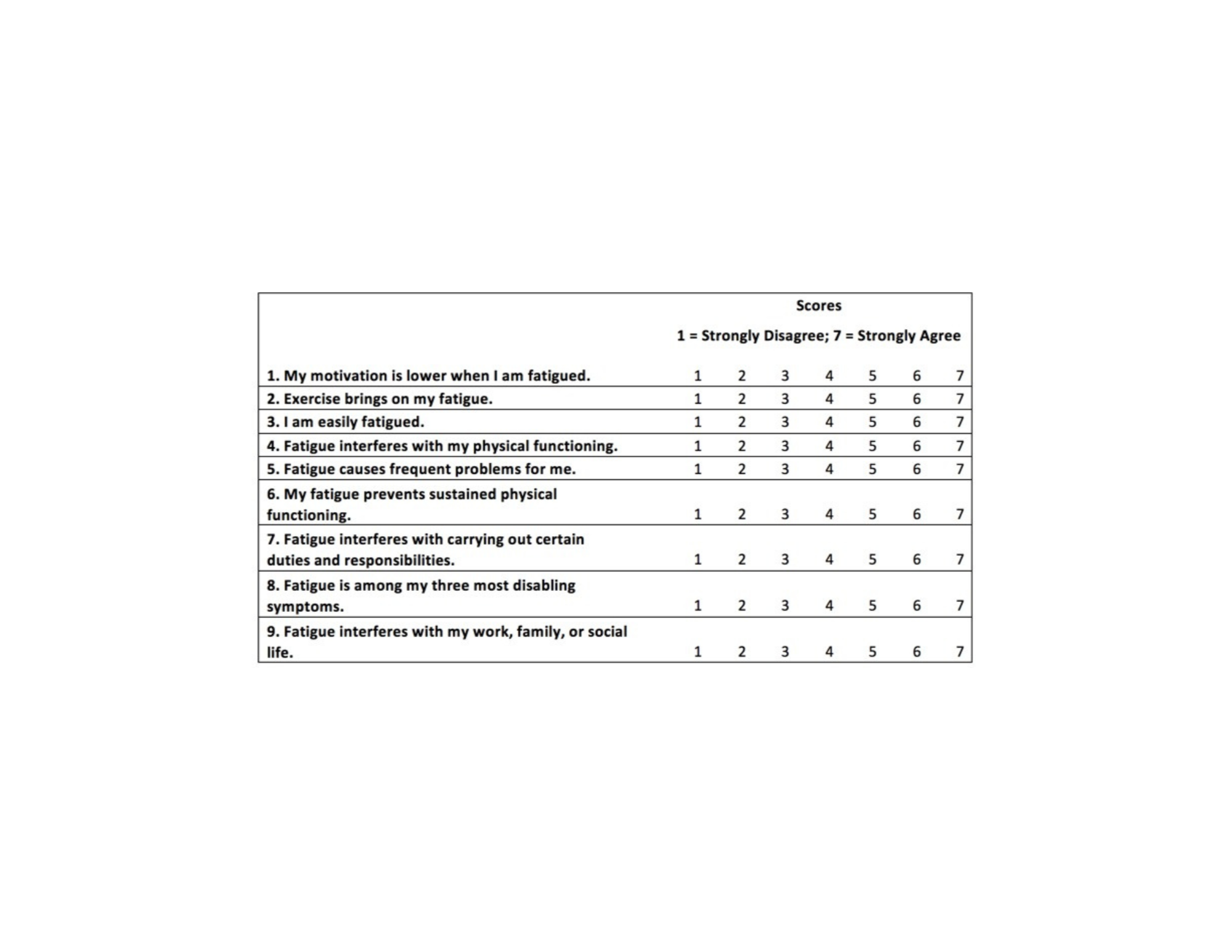
The self-report questionnaire is a 9-question survey that takes approximately 5 minutes to complete and score. The questionnaire addresses fatigue symptoms as they relate to physical functioning, exercise and work, and family or social life. The scoring is based on a scale ranging from 1 (strongly disagree with the statement) to 7 (strongly agree with the statement). The final score is a good indicator of how each person rates their level of fatigue.
This information could be shared with health care providers so appropriate interventions can be made.
This assessment can help you (and your provider) understand your challenges from chemo-induced fatigue. Fatigue is a tricky side effect because it is so subjective. It is hard to measure and assess. Hopefully, this simple measure can help you understand how it is impacting your life.
BELOW YOU WILL FIND STRATEGIES TO HELP MINIMIZE THE IMPACTS OF FATIGUE.
TYPICALLY, THERE IS NOT ONE QUICK FIX OR SOLUTION, BUT RATHER A RANGE OF STRATEGIES TO TRY THAT, CUMULATIVELY CAN HELP.
Fatigue Strategy #1:
THE BASICS:
REST, SELF-CARE, AND GO SLOW
You need to rest. Your body needs to heal.
SELF-CARE ACTIVITY:
SOME PEOPLE HAVE TROUBLE ALLOWING THEMSELVES TO REST.
EVEN DURING CHEMOTHERAPY.
FOR THOSE WHO STRUGGLE WITH THIS, TRY THE FOLLOWING:
OPEN YOUR PHONE AND TAKE A SELFY VIDEO OF YOURSELF READING THE FOLLOWING MANTRAS ALOUD:
I AM ALLOWED TO REST.
I LISTEN TO MY BODY.
MY BODY KNOWS WHAT I NEED RIGHT NOW.
I LOVE ME.
It may (likely will) feel silly, but it can be a great way to plant a seed to remember you ARE ALLOWED to rest.
Speaking the words out loud and seeing yourself say those words can be very empowering.
Fatigue Strategy #2:
FOOD CHOICES FOR ENERGY!
Carbs give you quick energy.
Proteins give you lasting energy.
Combining these two food types may make a big difference in your energy levels.
ENERGY-PACKED CARBS AND PROTEIN COMBOS:
eggs with whole wheat toast
peanut butter with apple
Greek yogurt with berries
oatmeal with nuts
trail mix (with nits & berries)
apple with cheese
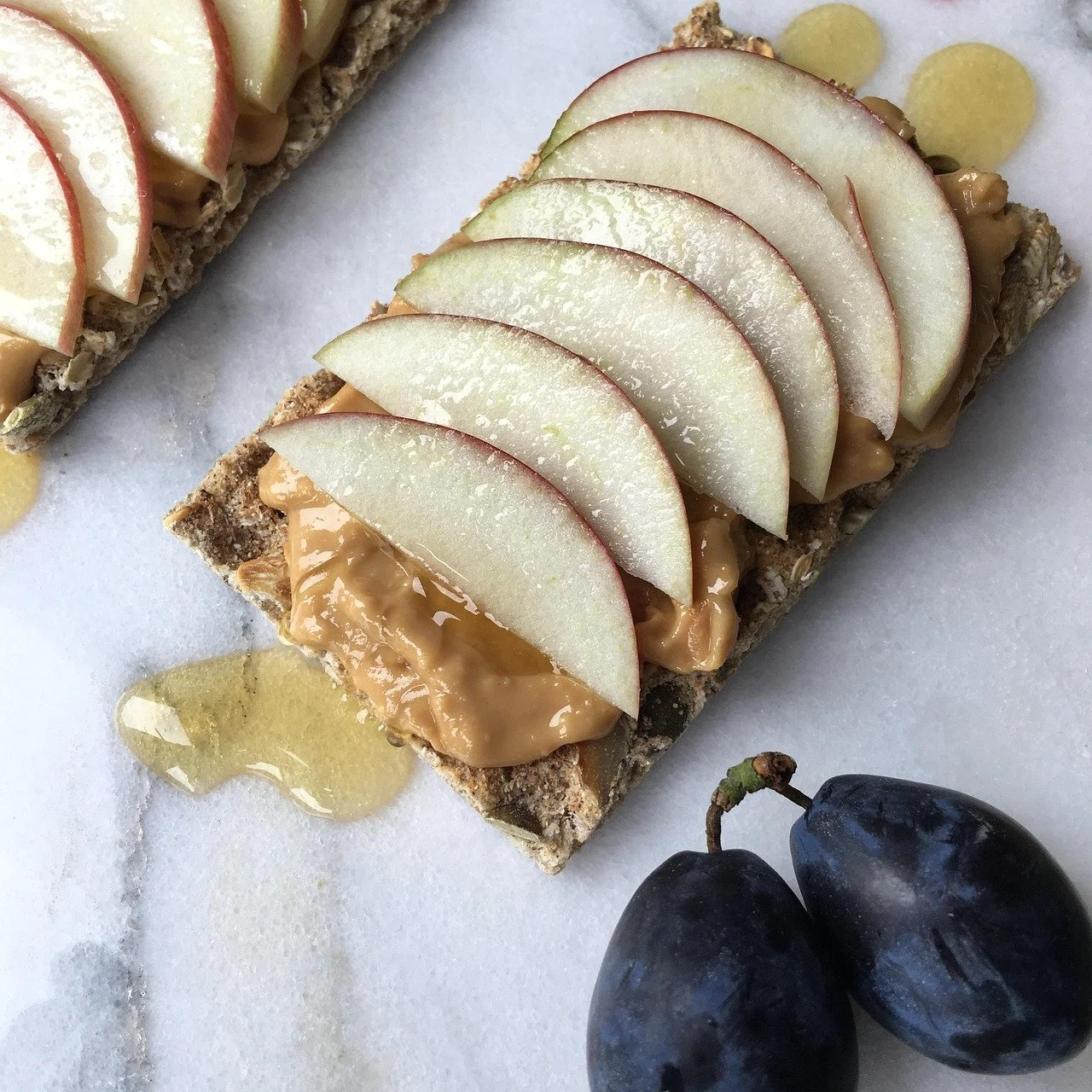
Image by Becky Wiggins from Pixabay
Image by -Rita-👩🍳 und 📷 mit ❤ from PixabayThe fiber, protein, and healthy fats make these nutrient-dense food combos a great way to fuel your body and intake good nourishment that you need during chemotherapy.
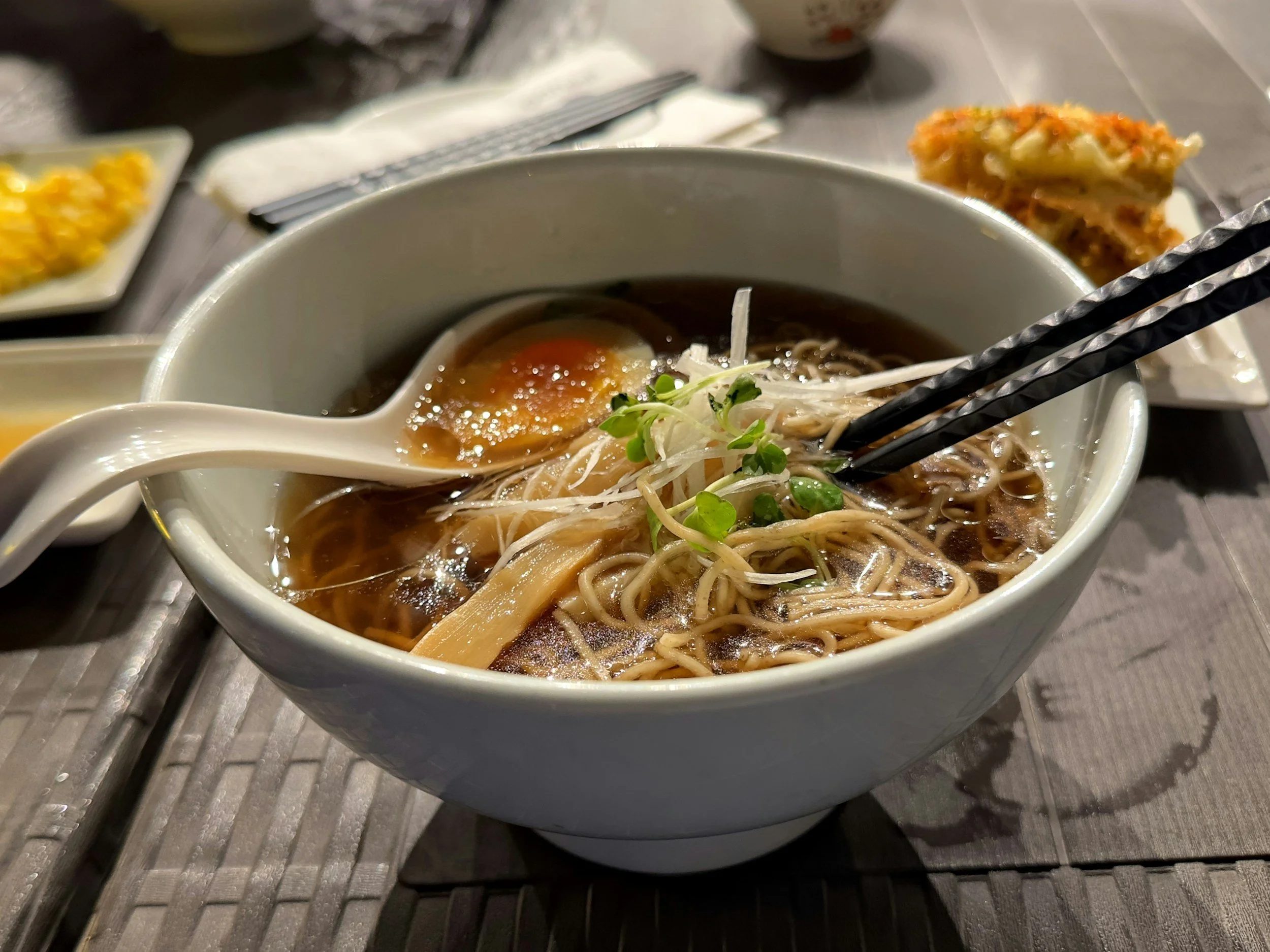
Foods like soup can hydrate your body, which is so important during chemotherapy.
Fatigue Strategy #3:
STAY HYDRATED!
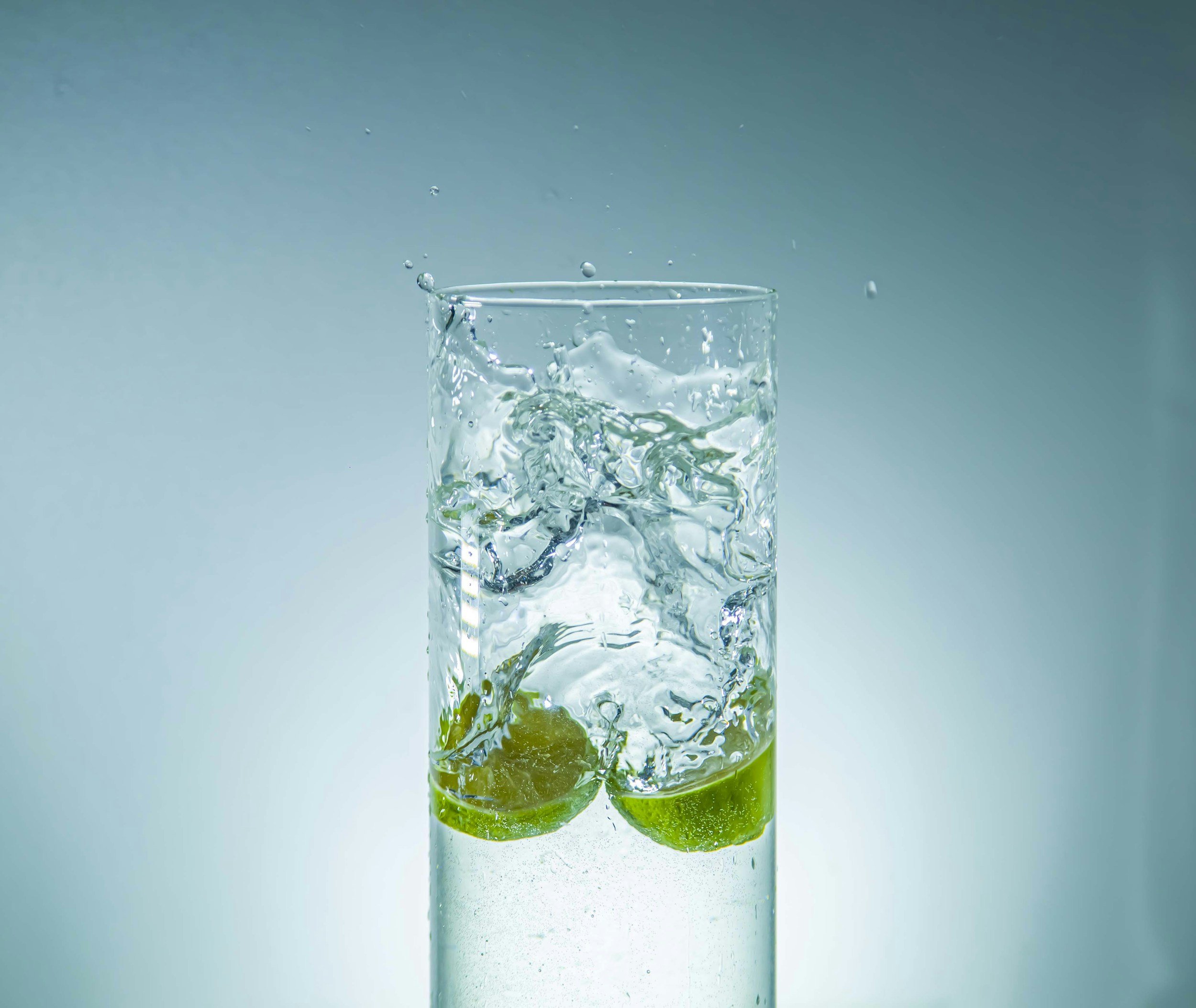
It’s more than JUST water. Research has shown staying hydrated during chemotherapy improved patients’ energy levels.
WAYS TO STAY HYDRATED:
Use a straw (it helps you consume more water)
Try flavored waters
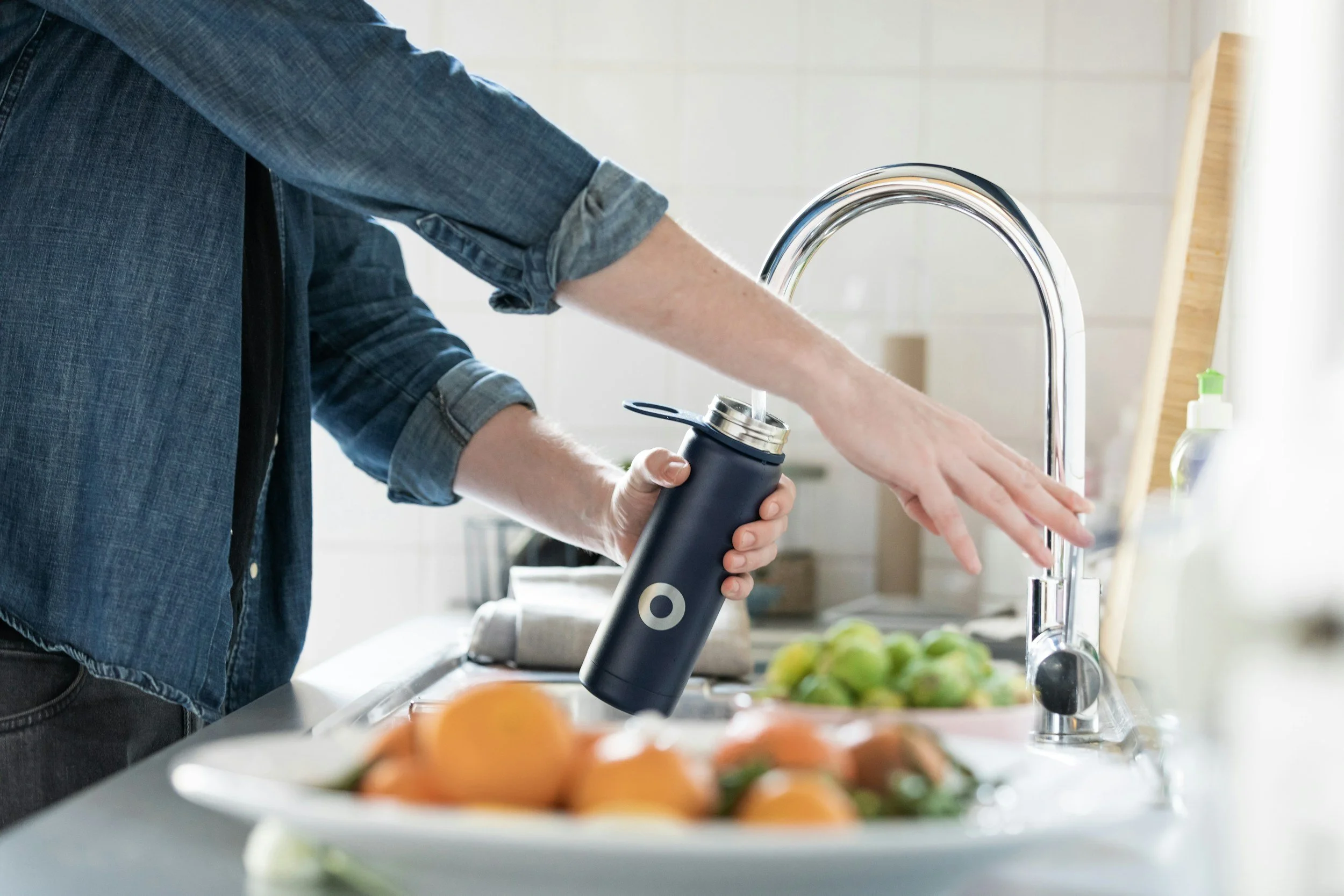
Buy a nice water container (may want to consider one without metal, if you struggle with metallic taste in mouth)
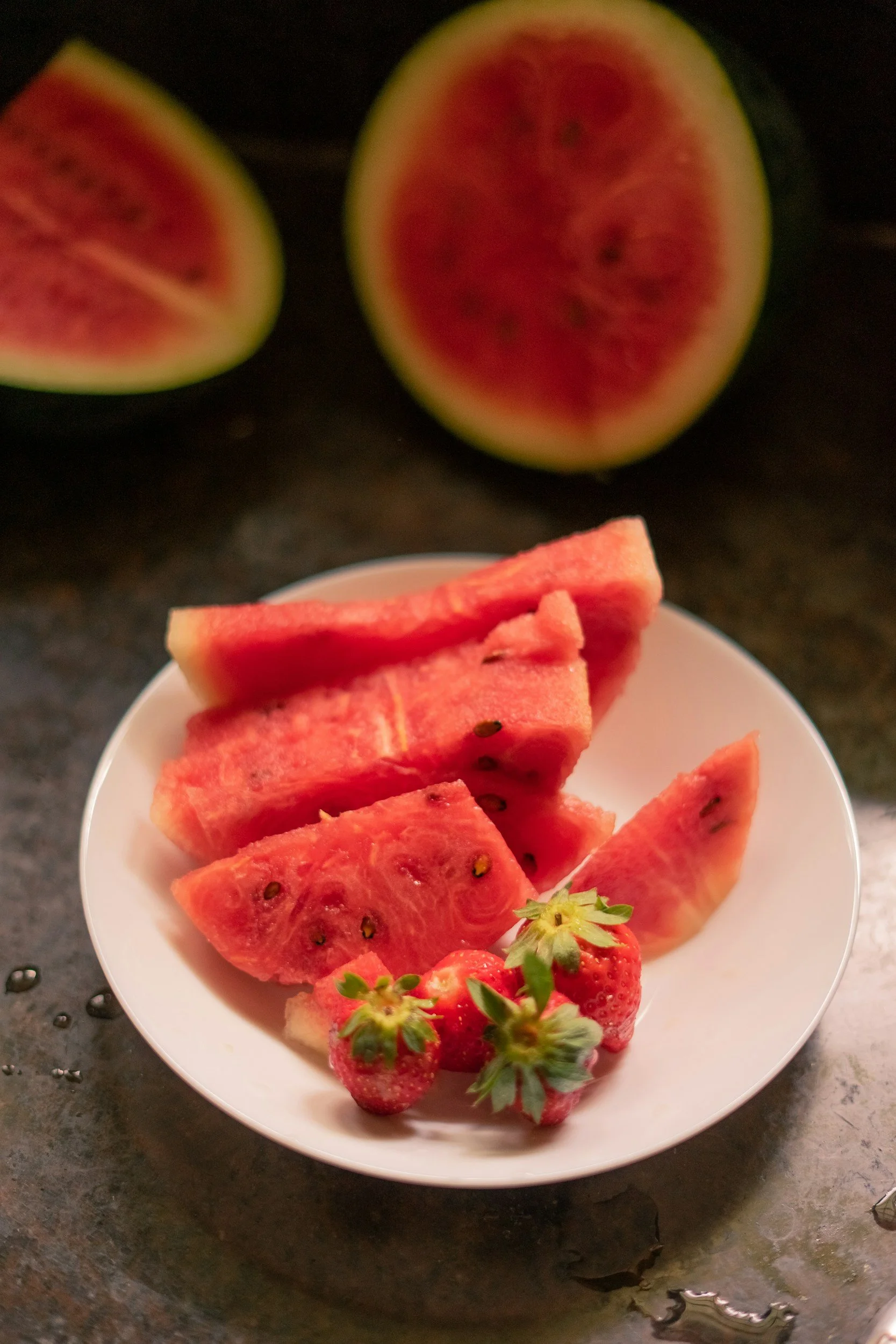
Consume fruits with high water content:
watermelon
strawberries
oranges
Make it a Game:
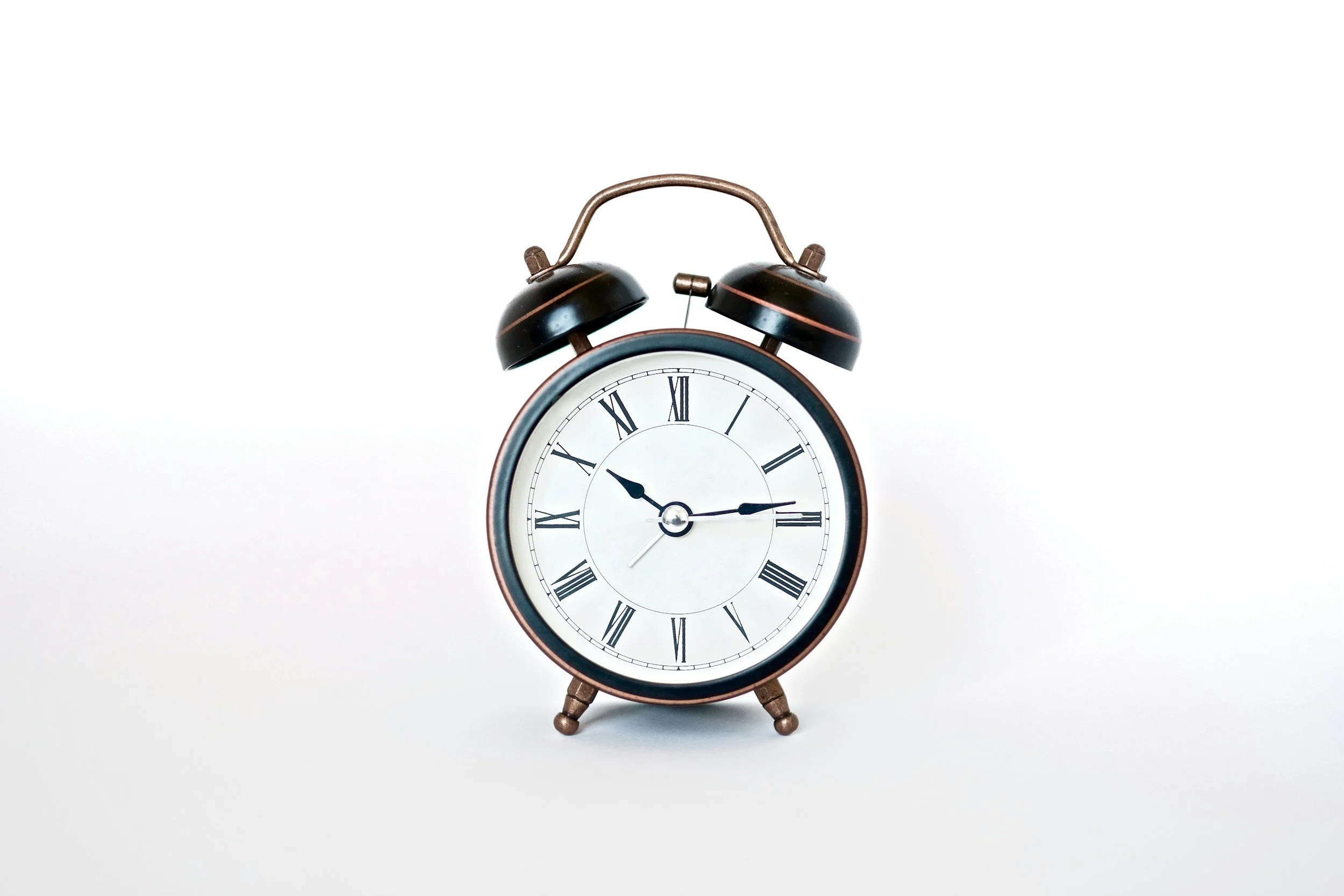
Every time you notice a different hour on the clock, take a sip
Every time you pick up your phone, take a sip.
Place different water stations throughout the house: next to your favorite chair, next to bed, on dining table, etc.

Fatigue Strategy #4:
EXERCISE!
It sounds counter-intuitive, but RESEARCH proves that exercise can actually give you more energy.
But HOW can get exercise when you have no energy?
It’s a viscous and difficult circle.
Here are some tips…

CHANGE YOUR CONCEPT OF “EXERCISE”
“Exercise” does not need to mean a serious, aerobic routine. “Exercise” can mean walking up a single, flight of stairs or folding clothes
Try to do a few small activities throughout the day, rather than one huge, long activity
START SMALL:
Move your joints, even while laying down: extend and flex all your joints - you can start at your toes and work your way up.
Stretch IN BED: arms overhead - open and close hands into fists and then open wide apart, legs straight out, pointing toes
Take deep breaths, lifting your shoulders and dropping them back down
Swing your legs while sitting… point and flex your toes!
Swing your arms while you walk down the hall

Remember that doing household tasks IS exercise.
You are moving your body… in so many ways:
For example: putting the dishes in the dishwasher requires a number of skills:
standing balance, standing tolerance, reaching outside base of support, bending, lifting, reaching.
While not aerobic, it is a good start to warming up your body, keeping the joints lubricated, building back endurance.
In 2022, the American Society of Clinical Oncology issued the first-ever evidence-based exercise guidelines for adults undergoing active cancer treatment.
The researchers analyzed over 100 clinical trials examining the impacts of exercise DURING chemotherapy treatment. They found exercise reduced fatigue, anxiety and depression, while also improving the quality of life. There is even indications that the creation of more blood vessels from exercise could deliver more blood-driven anti-cancer medicine to cancerous tumors... meaning it MAY help the chemotherapy to work better!
Fatigue Strategy #5:
ENERGY CONSERVATION
PRIORITIZE:
IDENTIFY WHAT IS MOST IMPORTANT
PLAN:
FIGURE OUT HOW AND WHEN
PACE:
TAKE YOUR TIME. SEPARATE INTO SMALLER TASKS
ENERGY CONSERVATION IN THE KITCHEN
Stepstools can be a wonderful addition in your kitchen when you feel weak and deconditioned from chemo. Their height allows for improved access to countertops and promotes energy conservation.
PRIORITIZE
Make your to-do list:
Today I need to do:
_____________________________
_____________________________
_____________________________
_____________________________
_____________________________
_____________________________
_____________________________
Circle: THE MOST IMPORTANT TASK
Star or Smiley Face Next to: THE EASIEST TASK
Sometimes making a huge list of tasks can be daunting. What NEEDS to get done?
What can wait until tomorrow?
Do activities that are most important first.
THE MOST IMPORTANT ACTIVITY I COMPLETE TODAY IS:
______________________________
HOW TO MANAGE FATIGUE DURING MEALS
Simple energy conservation strategies on how to manage meals while struggling with Chemotherapy-Induced Fatigue.
NOW THAT YOU PRIORITIZED AND KNOW WHAT YOU NEED TO DO….
PLAN YOUR DAY AROUND YOUR ENERGY:
The time of day I typically have the most energy (morning, after coffee, mid-morning, afternoon, evening?):
________________________
Remember this time of day.
This is when you can get your “work” done.
Seating Options at Home: Safety, Comfort & Energy Conservation
This video gives insight into seated surface options in the home, focusing on comfort, safety, and energy conservation. Seating is an important consideration as you may find yourself taking rest breaks often due to Chemotherapy-Related Fatigue and other side effects of chemo. PLEASE NOTE: Every chair and every body is different so you need to assess your own situation.
PACE
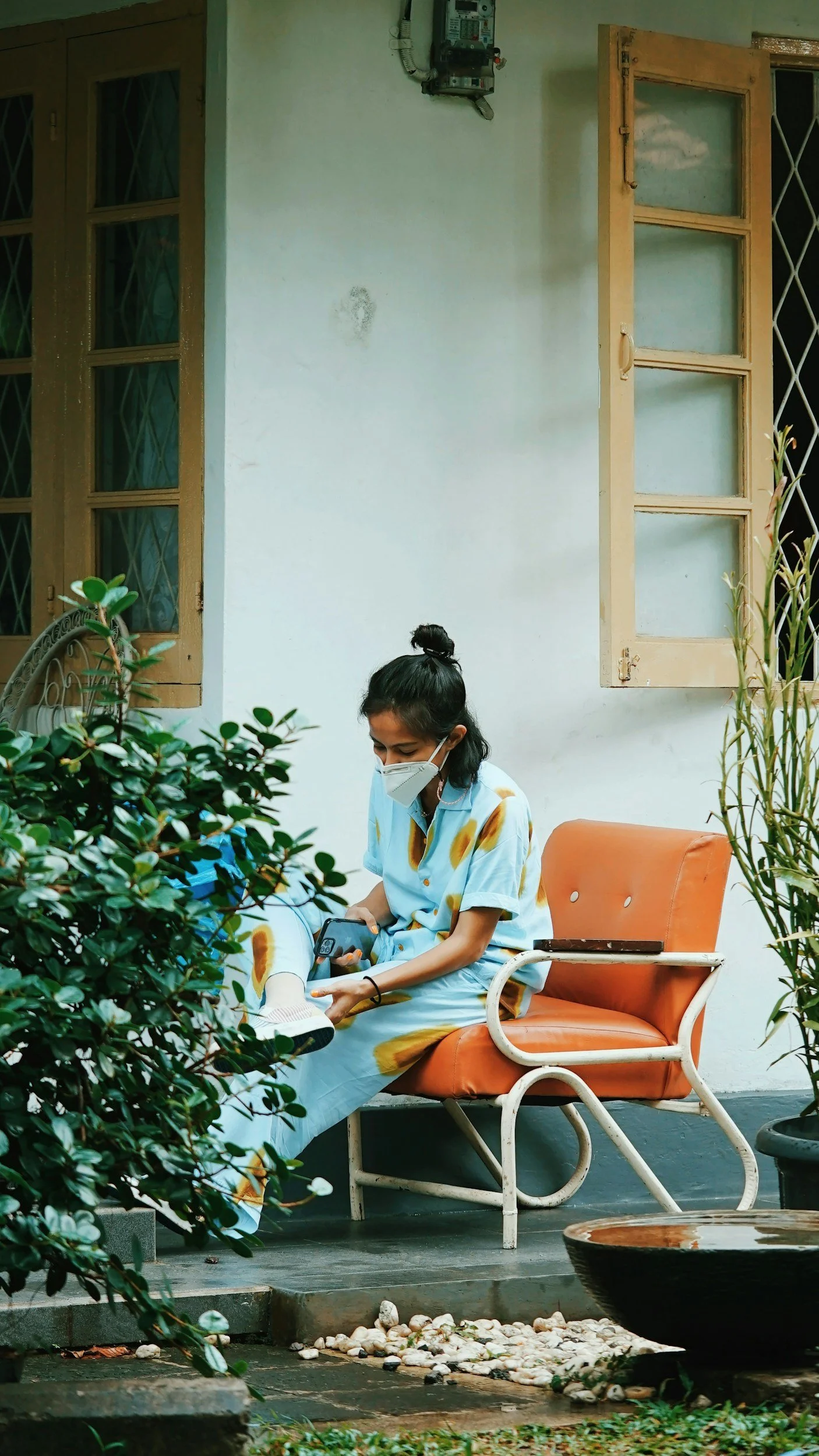
Sit during activities when you can.
Take rest breaks frequently throughout the day.

Listen to your body
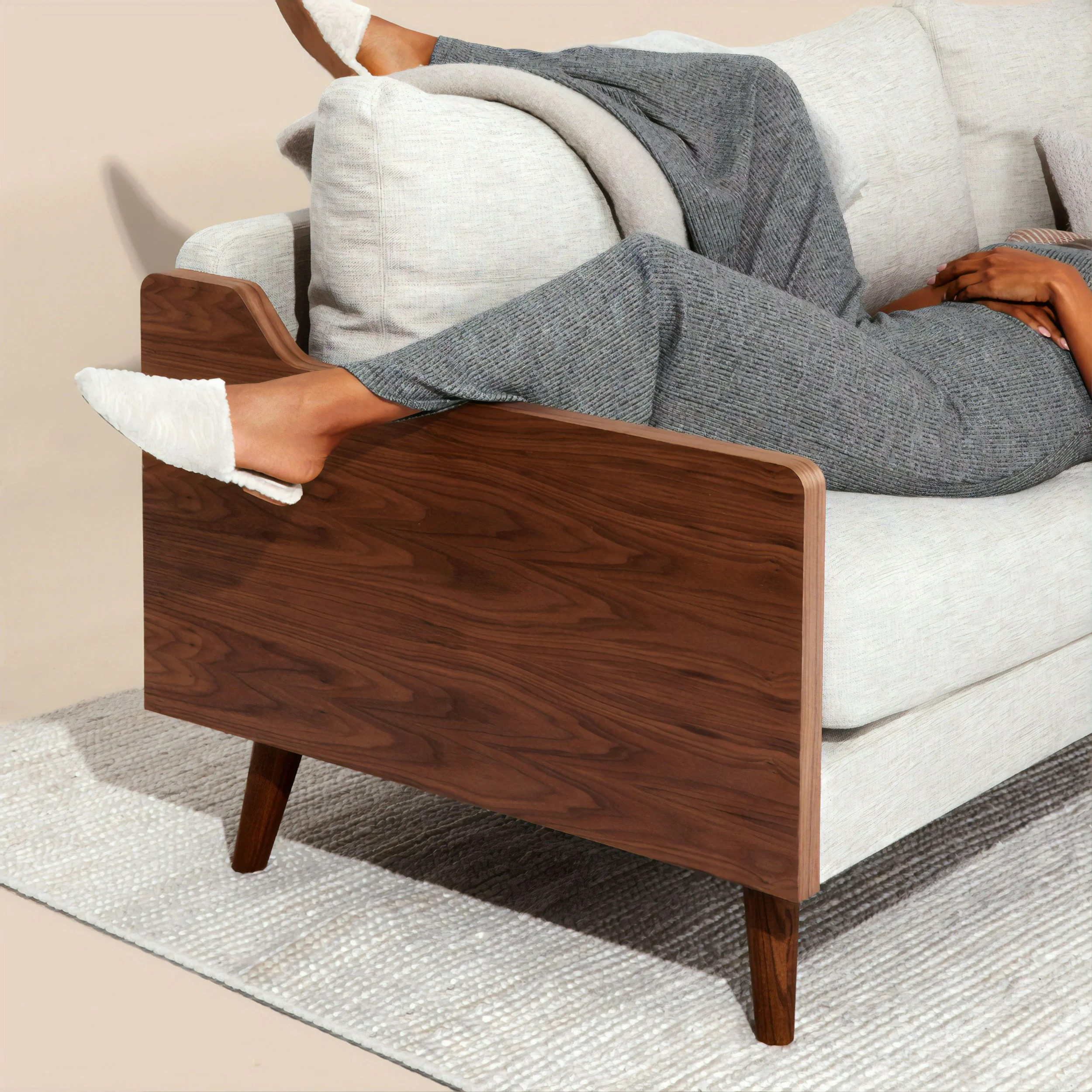
PACING STRATEGY:
Breaking Down an Activity into Smaller Tasks
Example: Putting away clothes from the dryer.
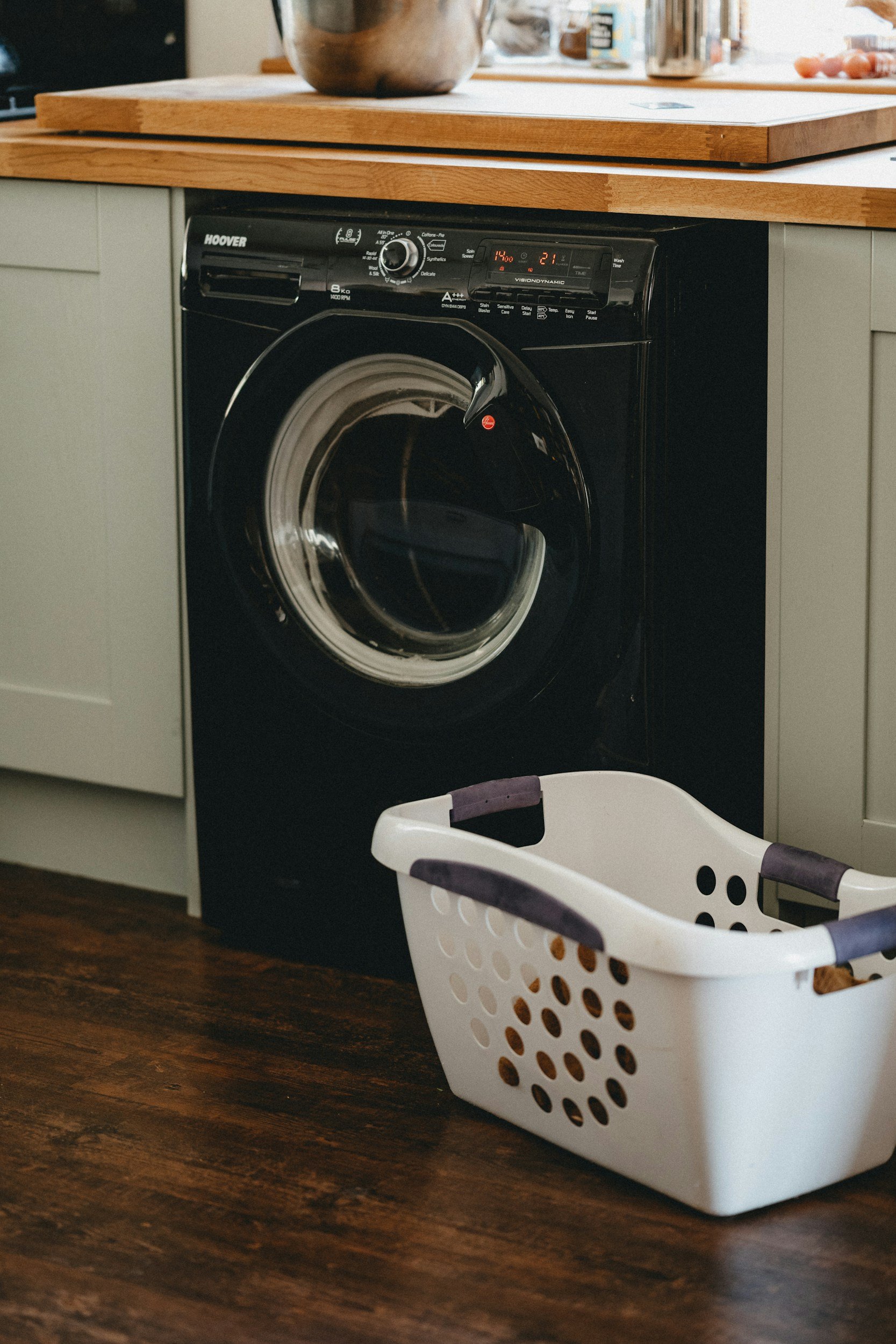
Place clothes from dryer into basket… rest if you need to.
Bring basket to a location where you can SIT while you sort/fold clothes.
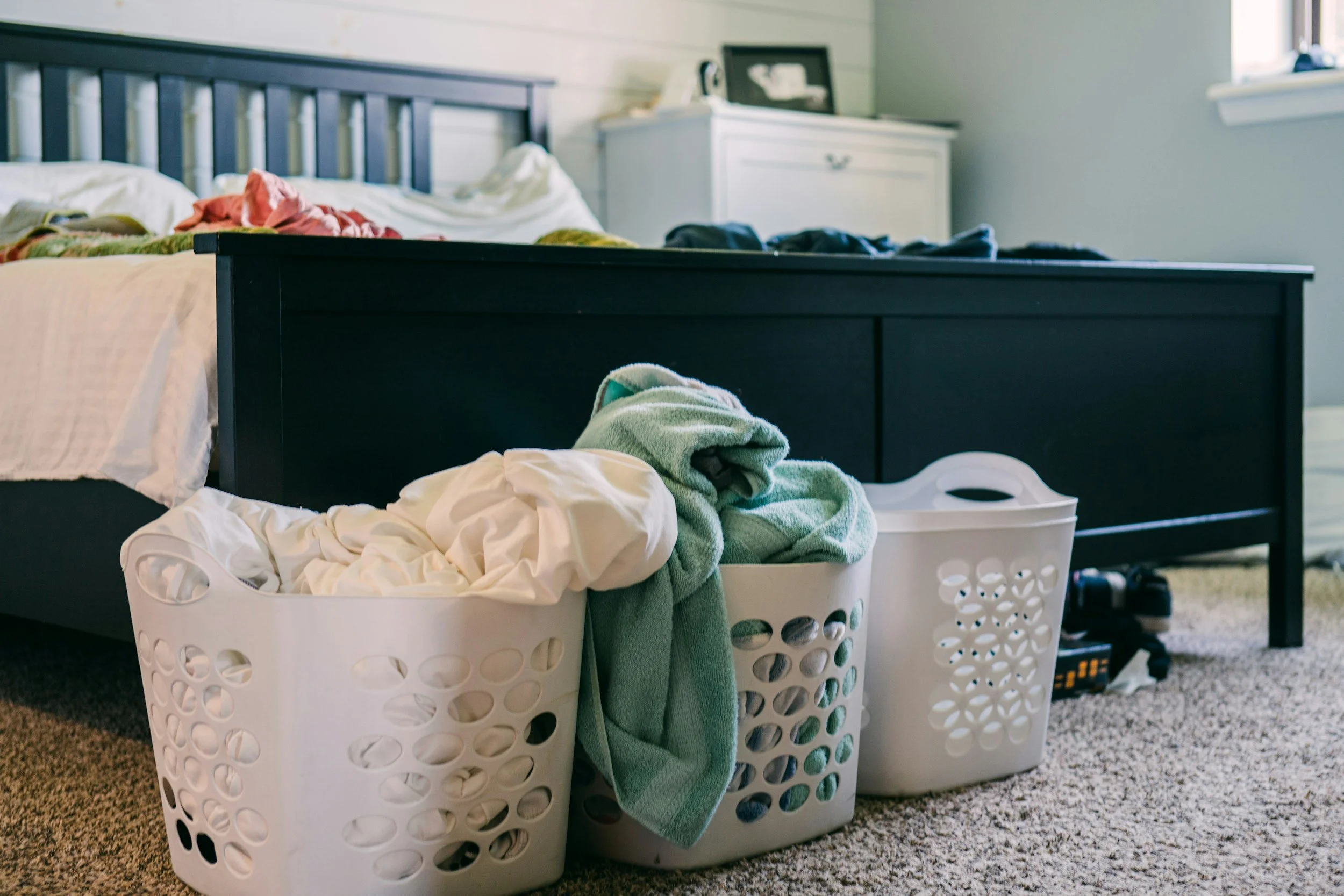
Sit and start to sort and fold – rest as needed
SORT clothes into piles that make sense and will go to the same location:
for example, all towels in one stack for bathroom
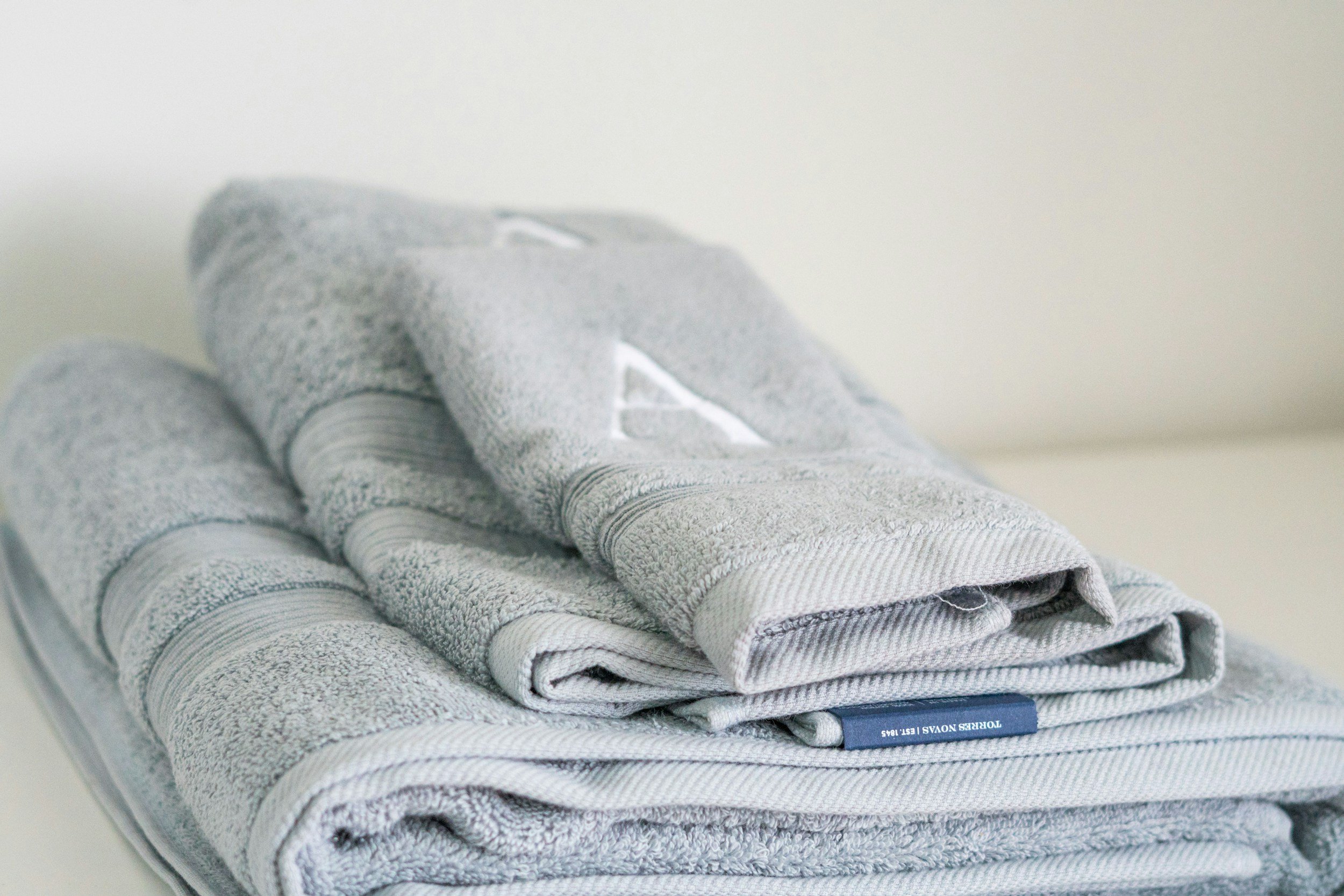
Put folded clothes away in one room.
Rest.
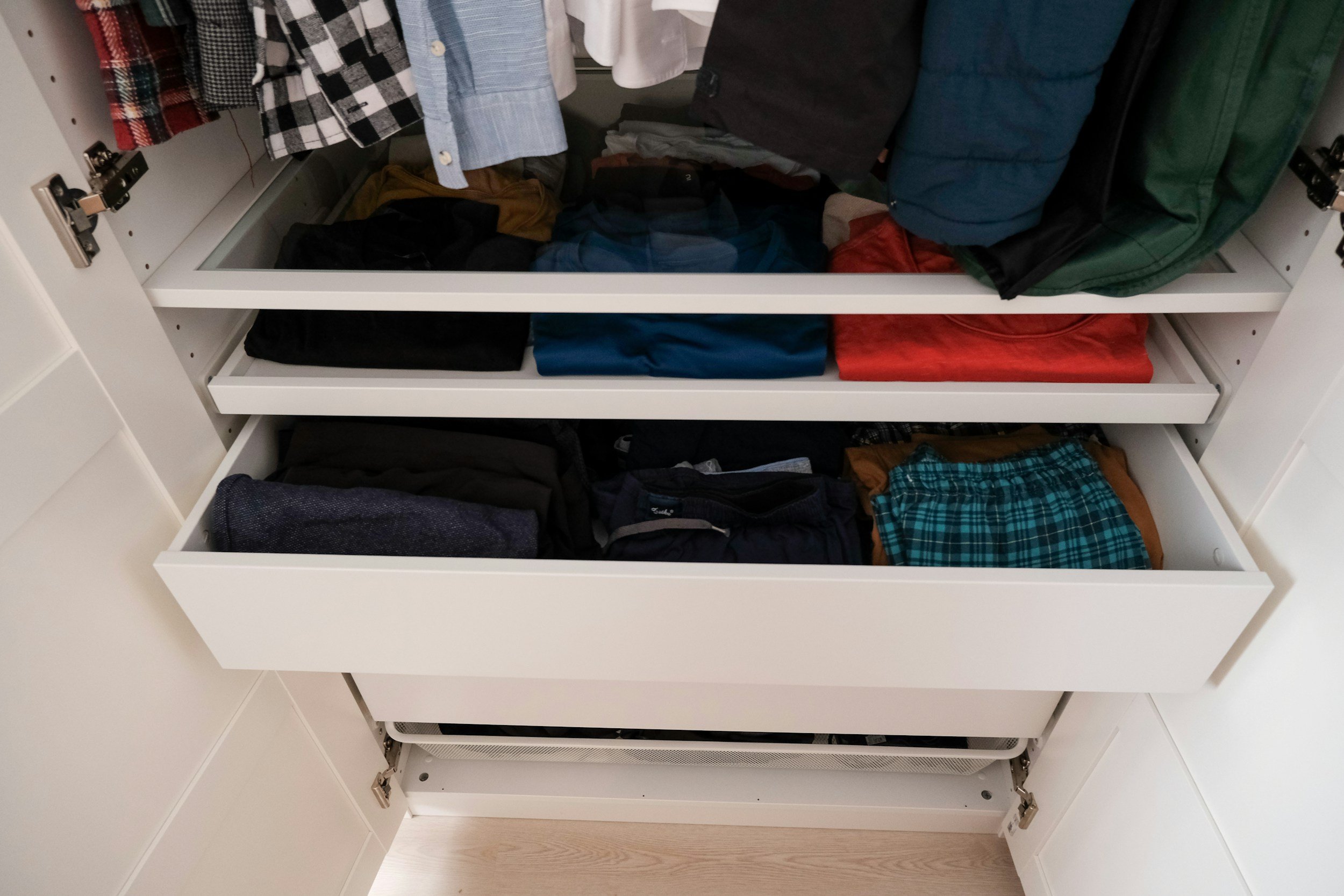
Put folded clothes away in another room.
No rush.
Can do tomorrow.

ROOM BY ROOM SET UP TO MINIMIZE FATIGUE
KITCHEN:
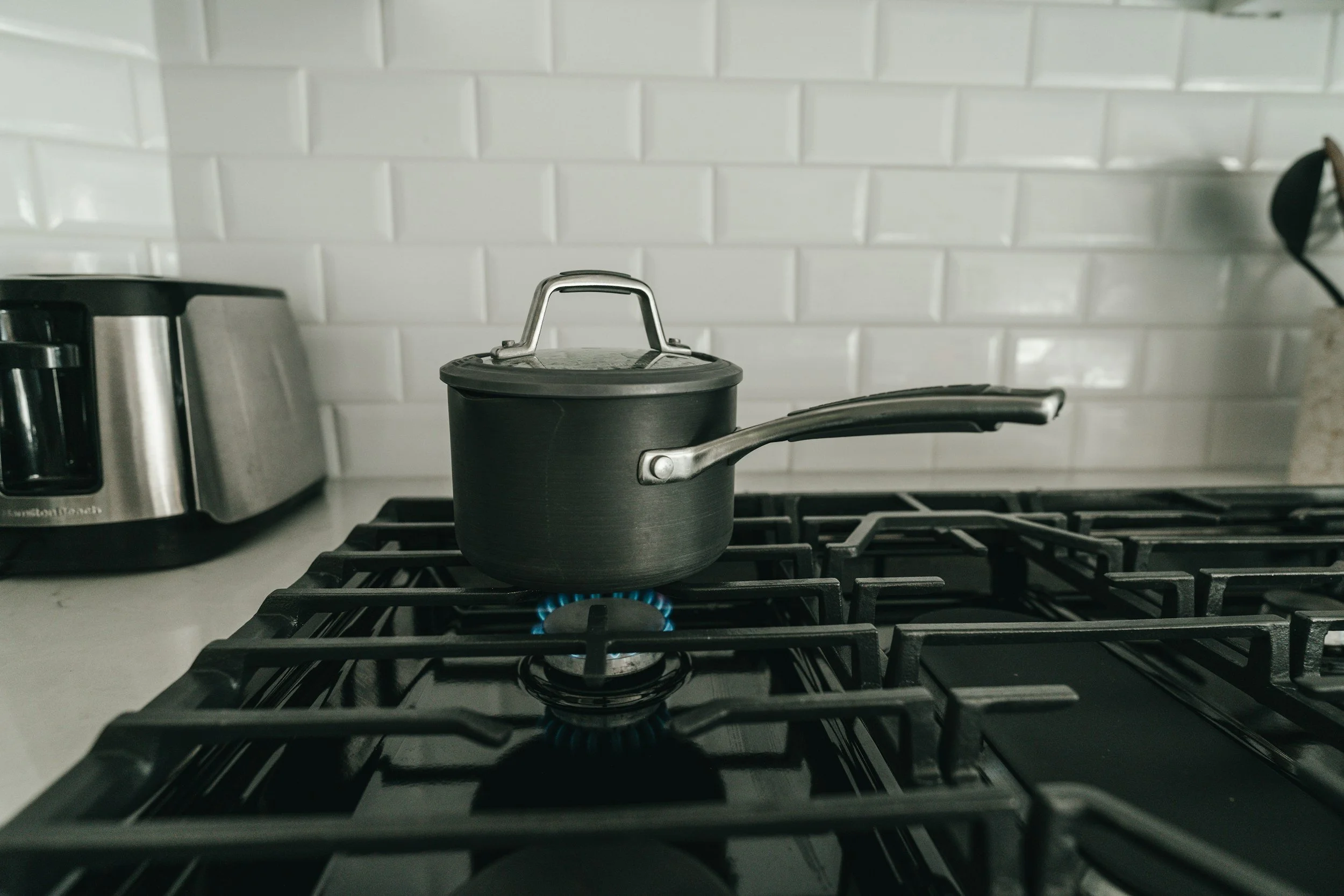
Set-Up: minimize bending, reaching, squatting: move commonly used items to surface, slide items across counters.
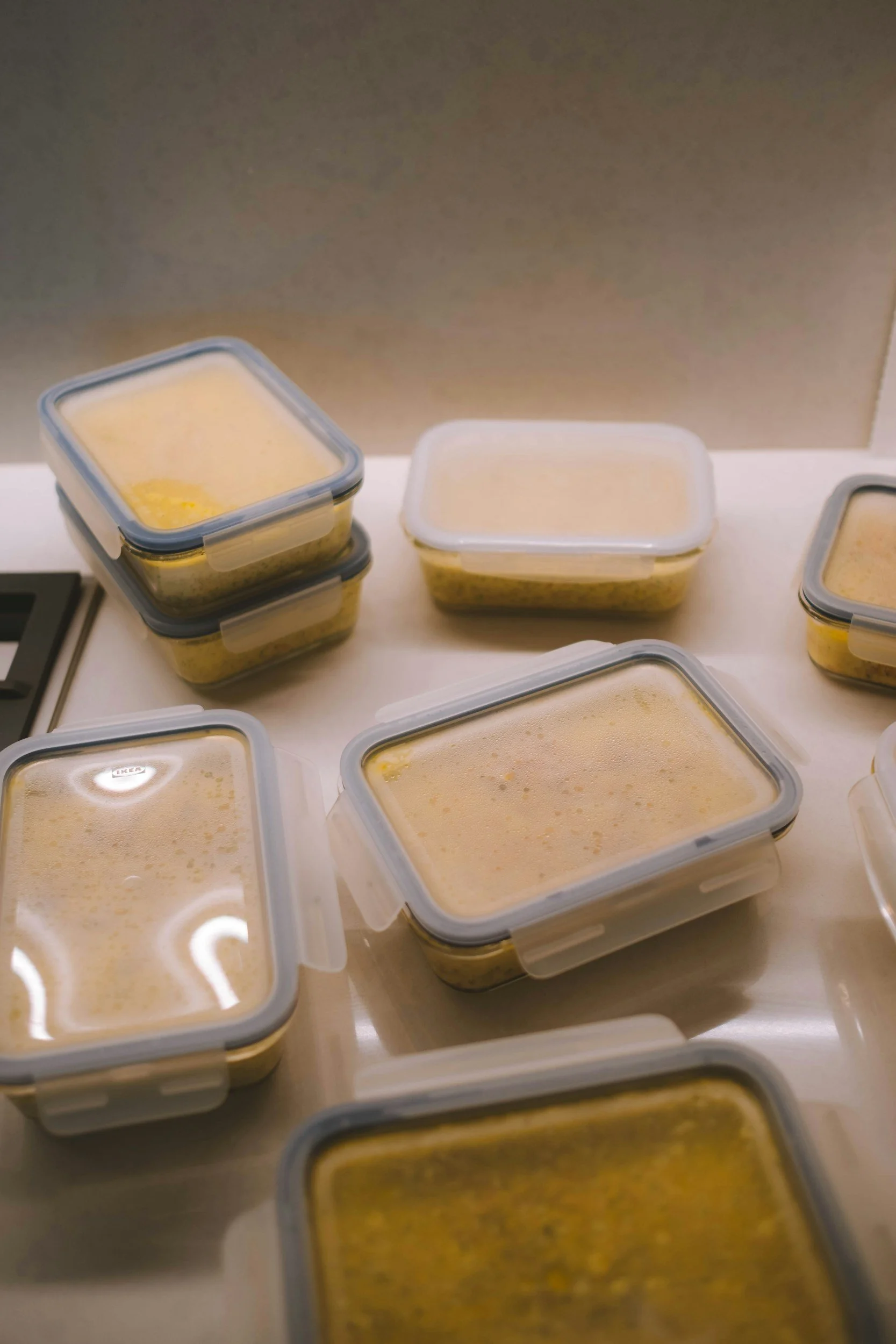
Meals: Purchase prepackaged, precut food (precooked chicken, sliced vegetables, prepackaged salads), use paper plates and plastic cups to minimize cleanup, buy frozen meals, order from grocery shopping app.
Seating: use a stepstool in kitchen for washing dishes.
Small changes in each room of your home can reduce extra effort on a daily basis:
BEDROOM:
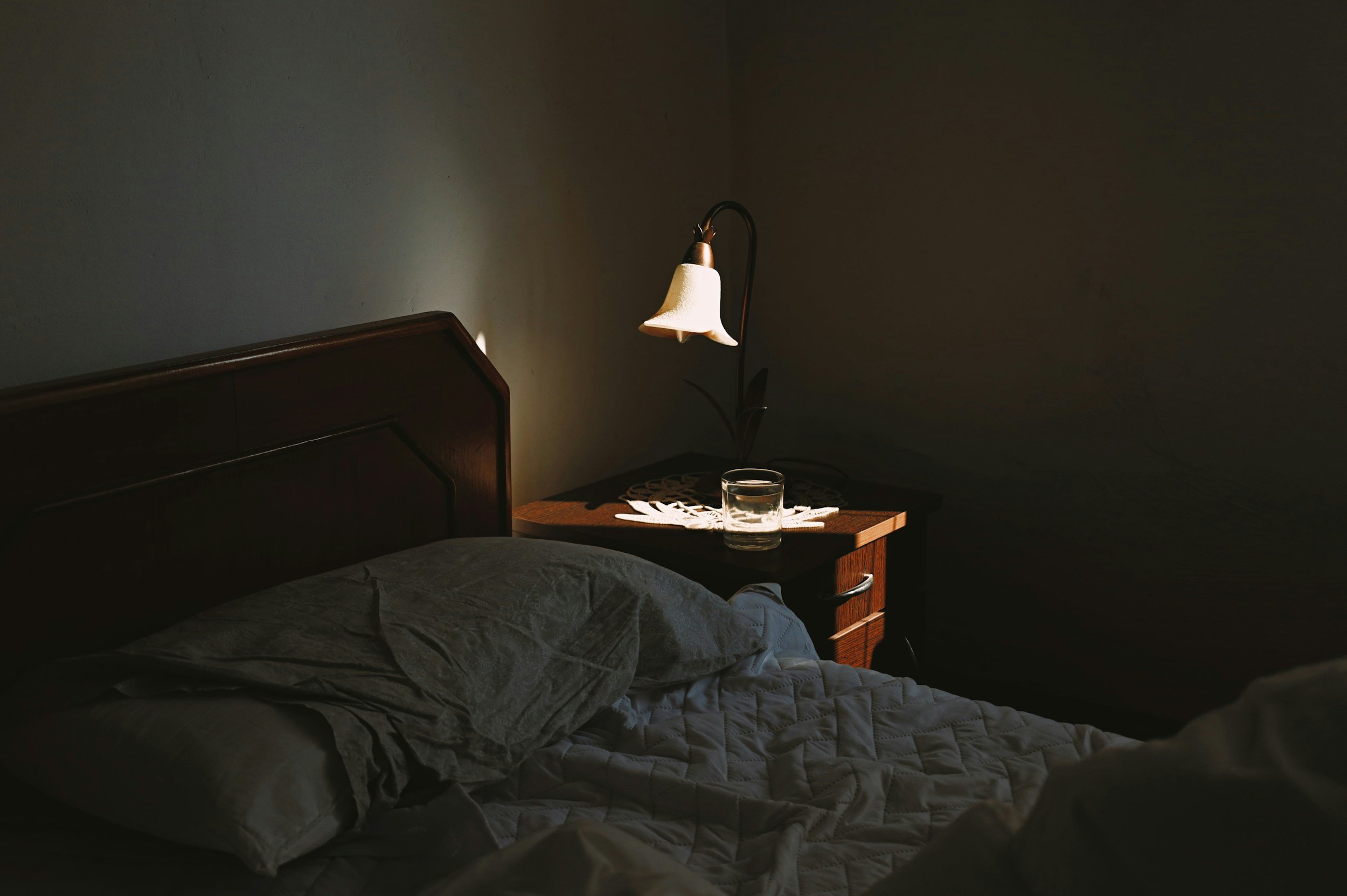
BEDSIDE: KEEP WATER, MEDICATIONS NEXT TO BED (especially ones that you need to take before bed or if nausea occurs in night)

WHAT DOES FATIGUE MANAGEMENT LOOK LIKE?
A DAY-IN-THE-LIFE EXAMPLE:
WAKING UP:
IN BED: Abdominal breathing, place hands on belly, inhale healing (feel belly rise), exhale relax (feel belly drop)
IN BED: Stretch: slowly and gently
EDGE OF BED: Sip water.
EDGE OF BED: Movement/Gentle Stretching
Gently flex/extend/circle each body part, starting at your toes and working up to your head.
Place hands behind head for a minute, focusing on good posture
MORNING ROUTINE
Make coffee: coffee, filters, measurements right next to coffee maker right next to sink. Go easier: make instant coffee.
Breakfast: bagel and cream cheese (sit while making, use paper plates and plastic knife)
Shower: Use pump bottles for ease of use, warm water (not too hot)
Brush teeth: can sit on toilet if legs are tired, use a rotating toothbrush.
Get dressed: Sit on firm chair with arm rests for ease of sitting and standing. (Note: beds are soft and take more energy to balance body); select comfortable, soft, non-binding clothes with easy pull-on.

Every time you notice it is a new hour: 9:00 a.m., 10 a.m., you take a sip or two of water.

AFTERNOON:
Move Your Body: walk to check mail.
Lunch: Microwave a baked potato on paper plate (sit and rest while cooking). Add sour cream or butter for fats/energy/protein.