Exercise and Movement
You have “good” days on chemo and “bad”…
You will need to modify your approach to exercise based on how you are feeling…


ALWAYS CONSULT WITH YOUR ONCOLOGIST PRIOR TO STARTING ANY EXERCISE PROGRAM, ESPECIALLY IF YOUR CANCER HAS MOVED BEYOND ITS ORIGINAL SITE.
“The guidelines recommend regular aerobic exercise – such as walking, jogging or cycling, and strength training – such as lifting weights or using resistance bands, for patients whose cancer has not spread beyond its initial site.” (emphasis added)
-American Society of Clinical Oncology (ASCO) 2022 guidelinesDue to fatigue, exercise is one of the last things many people on chemo regimen want to do.
Paradoxically, research has found that doing movement actually INCREASES your energy (and mood).
Completely counter-intuitive and so hard to do!

Tailoring Your Exercise During Chemotherapy

There are MANY factors involved in choosing the appropriate activity level FOR YOU:
Your cancer type
Your treatment/medications/chemotherapy for your specific cancer
Your side effects
Your prior level of fitness, and
The cumulative impacts on your body due to months of chemotherapy
These ALL need to be factored into your plan to move and be healthy.
TALK TO YOUR ONCOLOGY TEAM BEFORE STARTING ANY EXERCISE.
Levels of Exercise
Grade your activity up or down, depending upon your energy, side effects, and mental health on any given day.
-
Rough days, lots of side effects from chemotherapy
-
You are up and about, but very low energy, poor balance, weak
-
You are having a better day and/or have energy to move.
VIDEO LIBRARY
YOGA/TAI CHI


AEROBIC/MOVE
GENTLE RANGE OF MOTION

EXPAND YOUR CONCEPT OF “EXERCISE”
During times of illness and recovery, it may help to broaden our definition of “exercise”.
Exercise during chemotherapy doesn’t have to include a gym, weights, yoga on a mat. In fact, many household chores can be “exercise”.
Many household chores can be “exercise”.
Consider all the movements involved in these household chores:
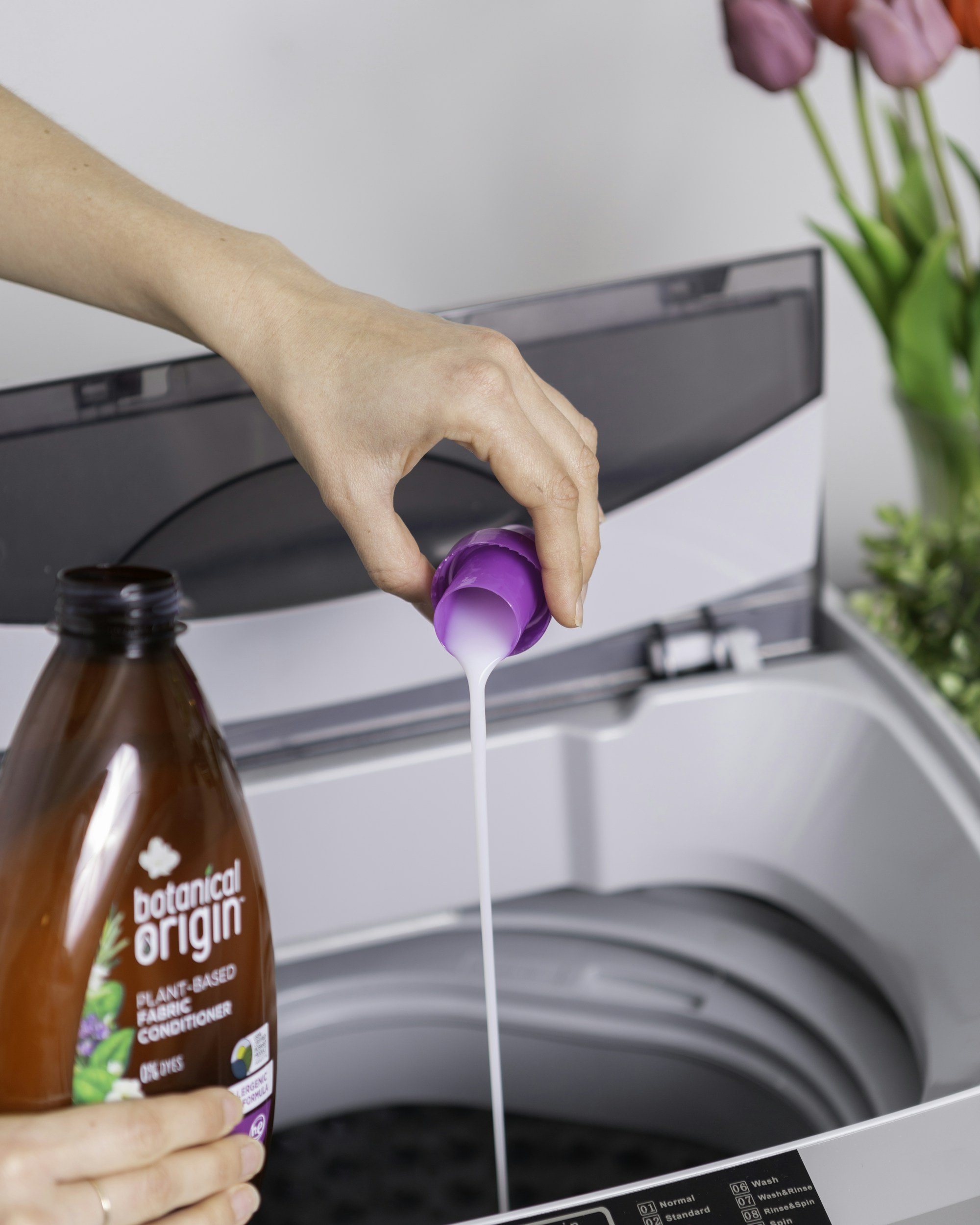
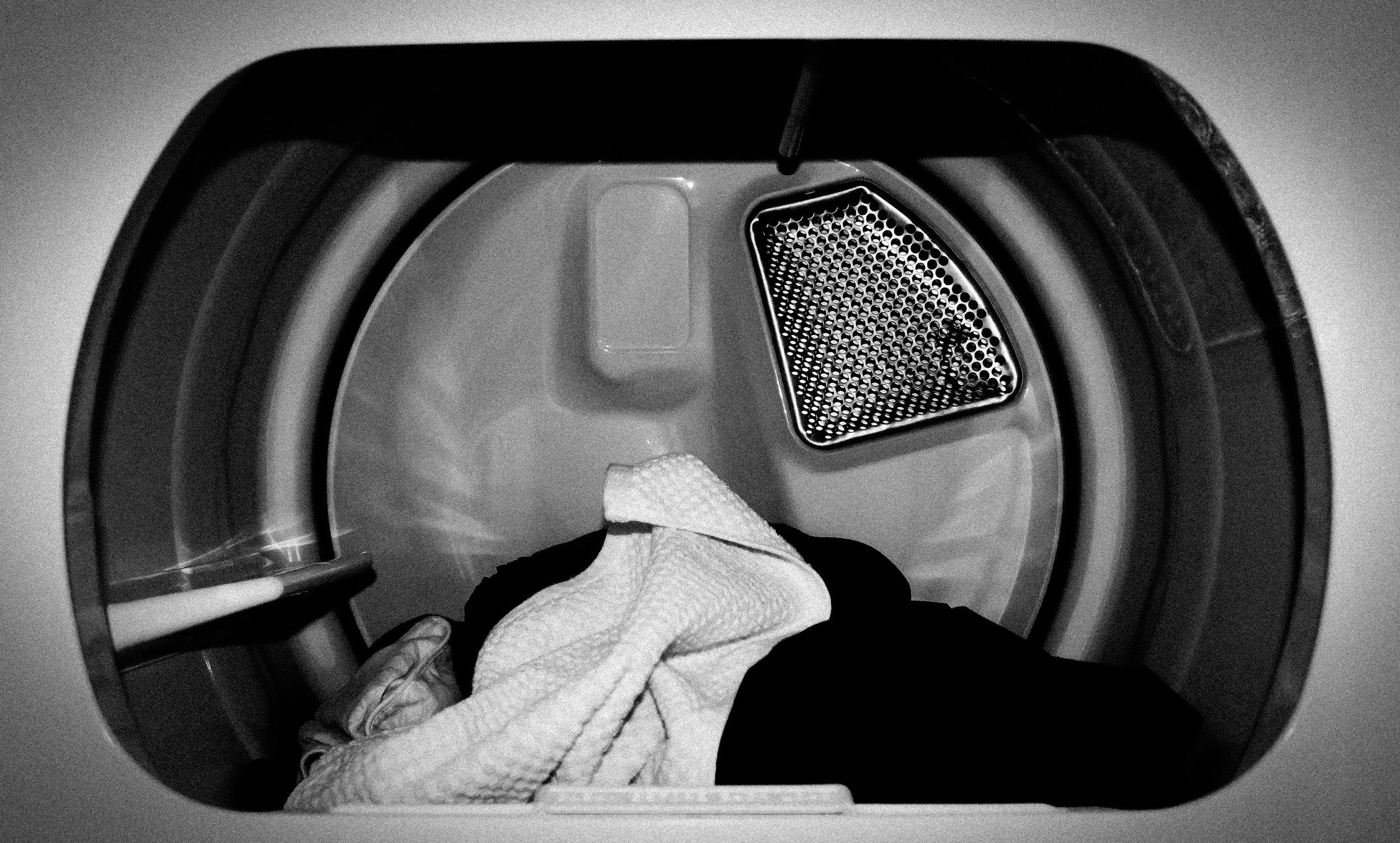
Laundry:
Gathering, bending, reaching, pouring, setting, measuring, lifting, carrying, sorting, folding, hanging, arranging, manipulating, turning, walking, stopping.
1


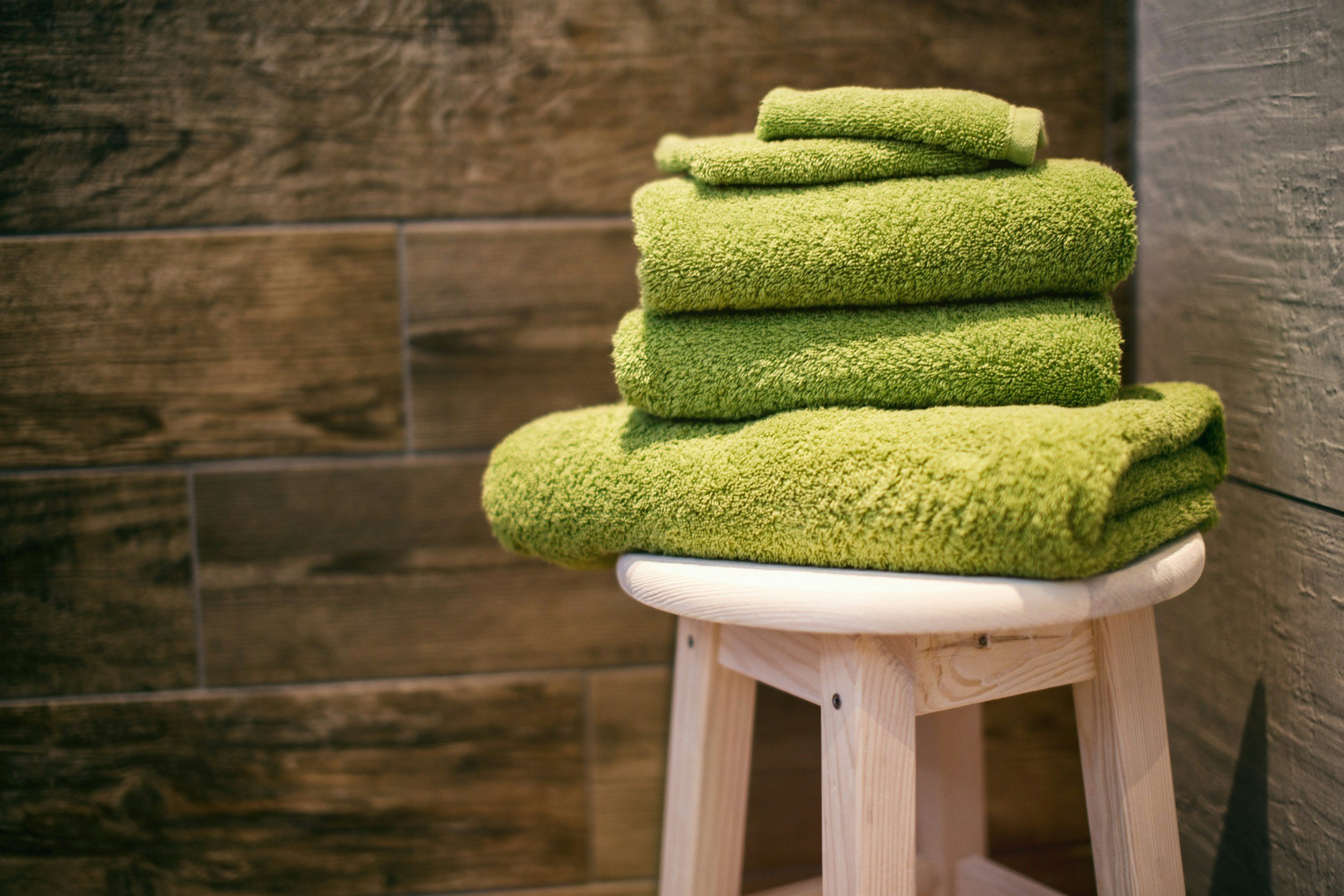
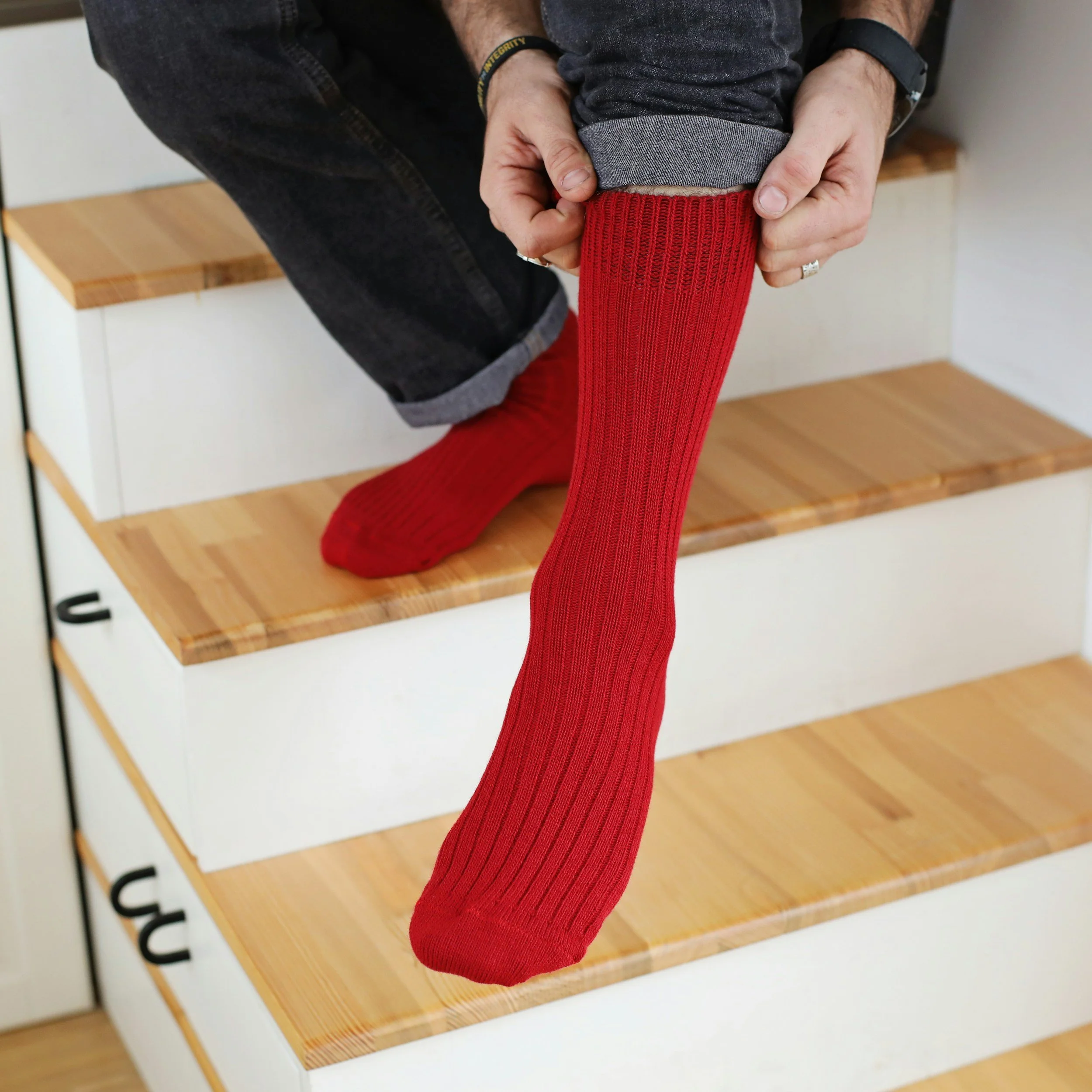
Showering:
Selecting clothes, gathering shower items, reaching for towel, undressing (bending, pulling, pushing, stretching, manipulating), washing body (balance), standing for extended period of time, washing scalp (overhead reaching), drying off, getting dressed.
2

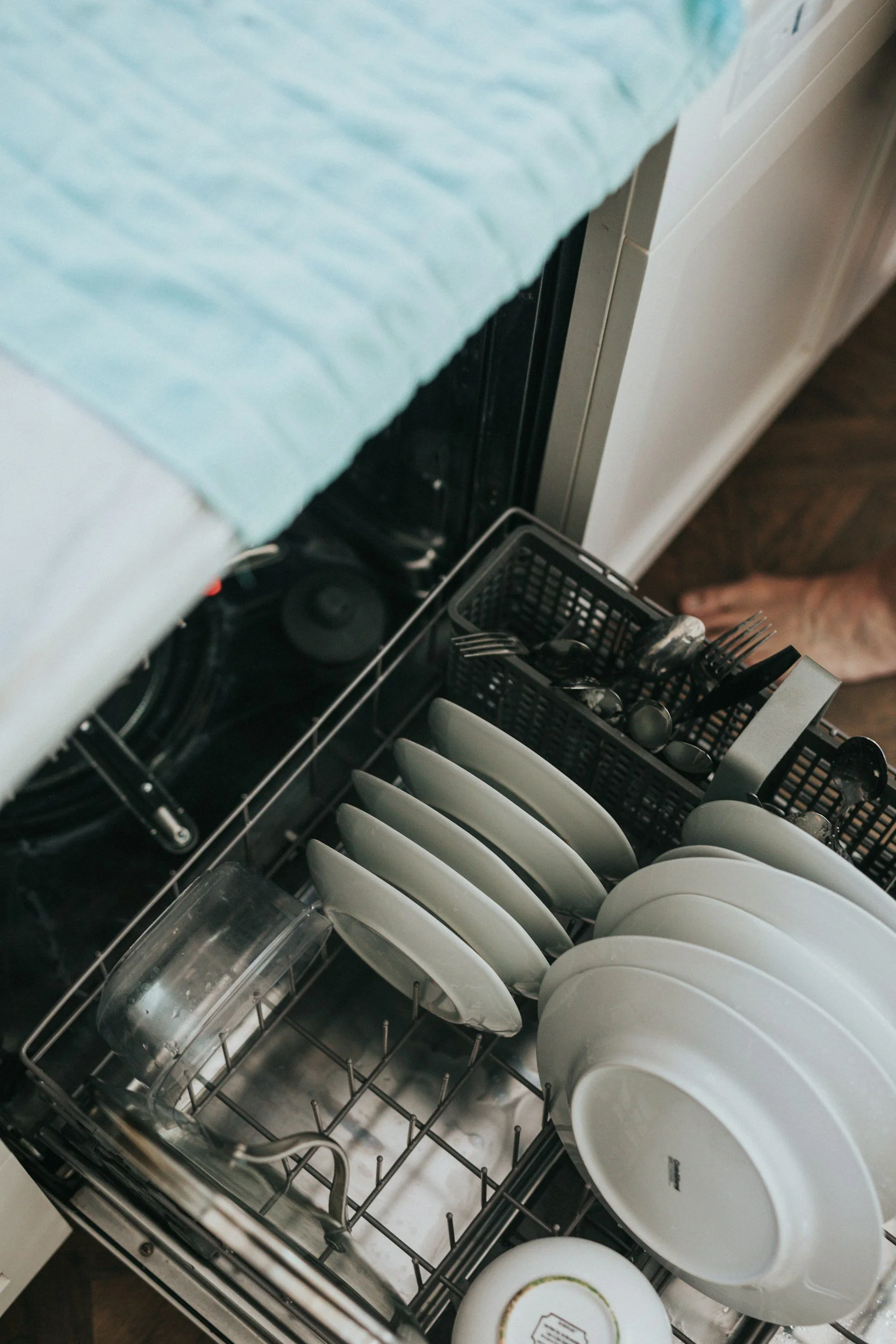
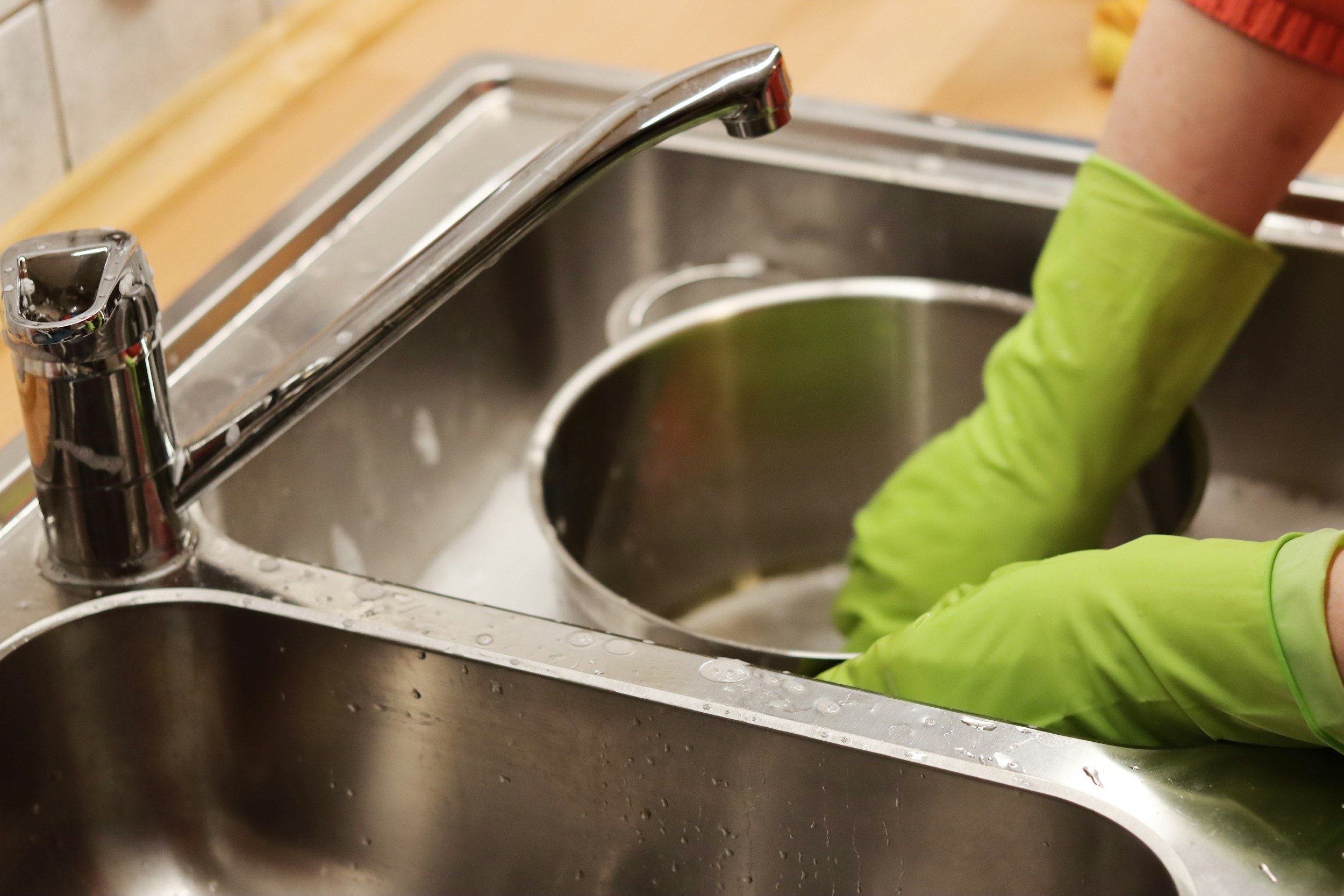
Dishes:
Standing balance, standing tolerance, upper arm and shoulder mobility, activity tolerance, bending, reaching.
3
CAUTION!
Some household chores may be ill-advised due to the higher level of exertion required. Movement is good, but too much movement can set you back due to over-exertion.
Listen to your body.
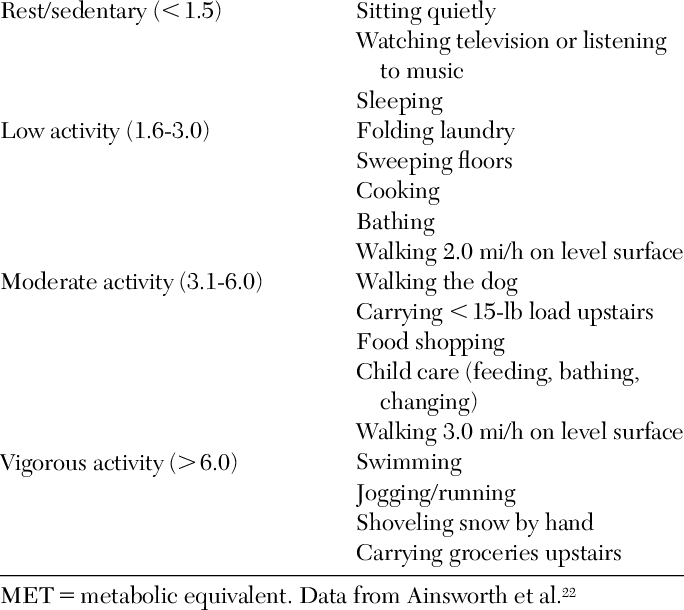
The difficulty/exertion of the household chores has been QUANTIFIED, which is a great way to stay within the level of ability YOU feel comfortable with. Again, always consult with your physician before starting any exercise plan.
Metabolic Equivalent =
THE FOLLOWING PAGE HAS THE METABOLIC EQUIVALENT TABLE FOR HOUSEHOLD CHORES. THE GREATER THE NUMBER, THE MORE STRENUOUS THE ACTIVITY.
Take caution doing the following common household chores:
Making the bed: stretching, pulling, moving, bending
Vacuuming: pushing and pulling with a lot of resistance and weight
Raking / Yard Work
METABOLIC EQUIVALENT TABLE:
The higher the number, the more challenging/exerting the household chore.